In recent years, vape devices have surged in popularity. Many users are curious about how these gadgets function. Understanding "how does a vape device work" can enhance your vaping experience.
A vape device typically consists of a battery, a tank, and a heating element. When you inhale, the battery powers the heating element. This element heats the e-liquid, transforming it into vapor. It's a simple process, yet it brings a range of flavors and experiences. However, not all devices are created equal.
Brands offer various designs and features. Some prioritize portability, while others focus on custom settings. It’s easy to get lost in the options. Reflecting on your preferences is key. A complicated device might not be suitable for a beginner. Ultimately, choosing the right vape requires careful consideration of your needs and desired experience.
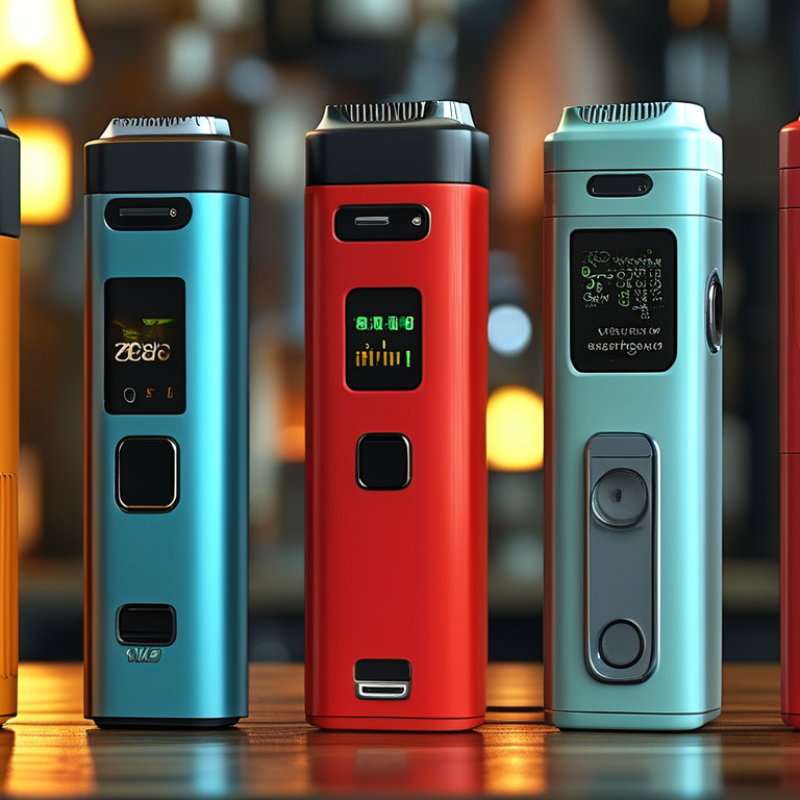
Vape devices operate on a simple principle: they vaporize a liquid that can contain nicotine, flavorings, and other chemicals. The core components include a battery, a heating element, and a liquid reservoir. When activated, the heating element turns the liquid into vapor, which is then inhaled. According to a report from the National Institute on Drug Abuse, the popularity of vaping among youth has surged, with over 20% of high school students reporting use.
It's crucial to understand the anatomy of vaping. The battery powers the device, while the coil heats the e-liquid. Most vape devices utilize a combination of propylene glycol and vegetable glycerin in their liquid bases, which creates smooth vapor. Research suggests that these substances are generally recognized as safe for ingestion, but their long-term effects when vaporized are still under investigation.
Tip: Always check the battery and coil compatibility. This ensures optimal performance and safety during use. Another consideration is the choice of e-liquid. Selecting high-quality liquids can significantly influence your vaping experience. It's vital to ensure they are from reputable sources to avoid potential harmful substances. The vaping landscape is constantly evolving, and understanding these basics can empower users to make informed decisions.
A vape device comprises several key components that work together to deliver nicotine or flavored vapor. Understanding these elements can enhance your vaping experience.
The battery is the powerhouse of any vape device. It provides the energy needed for heating the coil. Most batteries are rechargeable and can last several days, depending on usage. According to industry reports, battery capacity typically ranges from 300mAh to 4000mAh. Higher capacity means longer use between charges.
Next, we have the atomizer. This component contains the coil that heats the e-liquid, turning it into vapor. Coils come in different resistances, influencing the temperature and flavor intensity. Research shows that a lower resistance can produce bigger clouds but may lead to quicker battery drain. Many vapers explore various coil types to find their perfect match.
The e-liquid itself is another essential part. It consists of a base (usually propylene glycol or vegetable glycerin), flavoring, and sometimes nicotine. A report by a leading vaping organization indicates that nearly 70% of users prefer flavored options over traditional tobacco. The choice of e-liquid affects both the taste and the overall vaping experience.
These components interact in ways that may sometimes lead to issues, like burnt taste or leakage. Regular maintenance is vital for optimizing performance and safety. By understanding how these parts function, users can make informed decisions to enhance their vaping journey.
Vape devices operate through a simple yet effective mechanism. They turn liquid into vapor using heat. This liquid, often referred to as e-liquid, contains various ingredients, including flavorings, nicotine, and base liquids like propylene glycol or vegetable glycerin. When the user activates the device, a battery heats a coil. This coil then heats the e-liquid, producing vapor that the user inhales.
The process of creating vapor is efficient but can vary based on several factors. Temperature settings can influence the quality and volume of the vapor. Higher temperatures generally produce thicker clouds. However, excessive heat might lead to a burnt taste, which many find unpleasant. The choice of e-liquid also plays a role. Thicker liquids often require more power to vaporize, while thinner ones work well with lower settings.
User techniques and device maintenance are crucial for a good vaping experience. Regularly cleaning the device can prevent residue buildup that affects vapor quality. Users should also experiment with different e-liquids to discover preferred flavors. Discovering these nuances helps users understand their devices better and enhances their experience, though trial and error is common. Each device and e-liquid combination provides a unique experience, making personalization an integral part of vaping.
Vape devices come in various types, each with its unique features. Understanding these differences can enhance your vaping experience. Pod systems have gained popularity for their portability and ease of use. They often provide a satisfying hit with minimal setup. The small size makes them ideal for users who are always on the go.
Another common type is box mods. These devices usually offer more power and customization options. Users can adjust settings like temperature and wattage, tailoring their vaping experience. However, they may be complex for beginners and require more maintenance. The learning curve can be steep, so some may feel overwhelmed.
One should also consider sub-ohm tanks. These are designed for cloud chasers, producing large vapor clouds. They allow for extensive flavor profiles but tend to consume more e-liquid. This type often requires frequent refilling. Not every user needs such features, highlighting the importance of personal preference in choosing a vape device.
This chart compares the battery life, vapor production, and ease of use of various types of vape devices. The data showcases the average performance metrics across popular categories.
When using a vape device, proper maintenance is essential. Cleaning your device regularly helps to ensure optimal performance. Residue can build up over time, affecting flavor and vapor production. It’s recommended to wipe down the mouthpiece and tank after each use. For deeper cleaning, disassemble the parts and rinse them with warm water. A brush can help remove stubborn residue.
Storing your vape correctly is just as important. Store it upright to prevent leaks and keep it in a cool, dry place. Avoid direct sunlight which can degrade the e-liquid and battery. If you notice changes in flavor or vapor quality, consider replacing coils or e-liquid. Initial signs of wear should never be ignored. Regular check-ins can prevent bigger issues.
Using your device responsibly also enhances its lifespan. Always follow usage instructions to avoid overheating. Charge your device correctly to maintain battery health. Overcharging can lead to reduced battery performance. Reflection is key—consider your habits and regular maintenance to ensure the best vaping experience. Each step in care matters.
| Device Type | Battery Life | Tank Capacity | Heating Method | Ease of Use | Maintenance Frequency |
|---|---|---|---|---|---|
| Pod System | 2-3 Days | 2ml | Conduction | Very Easy | Weekly |
| Sub-ohm Tank | 1 Day | 5-6ml | Convection | Moderate | Daily |
| Mechanical Mod | 1 Day | Varies | N/A | Advanced | As Needed |
| All-in-One | 2 Days | 3ml | Both | Easy | Monthly |
: A vape device has three main parts: a battery, a heating element, and a liquid reservoir.
It vaporizes a liquid that may contain nicotine and flavorings. The heating element turns the liquid into vapor.
E-liquids usually consist of a base, flavoring, and sometimes nicotine. Choices vary significantly among users.
Battery capacity affects the usage time between charges. It typically ranges from 300mAh to 4000mAh.
An atomizer contains the coil that heats e-liquid. Different coil resistances affect vapor temperature and flavor.
Regular maintenance prevents issues like burnt taste or leakage. It ensures optimal performance and safety.
Pod systems are small and portable, offering ease of use. They are popular among users with busy lifestyles.
Box mods provide more power and customization, allowing users to adjust temperature and wattage settings.
Sub-ohm tanks produce large vapor clouds but consume more e-liquid, requiring frequent refills.
Yes, some devices like box mods may have a steep learning curve, which can be daunting for beginners.
The article "2026 Best Vape Device Guide: How Does a Vape Device Work?" provides a comprehensive overview of the essential aspects of vape devices. It begins with a foundational understanding of what vape devices are, detailing their core components, such as the battery, tank, and coils, which are integral to their function. The piece explains how these components work together to create vapor through the process of heating e-liquid, highlighting the role of temperature control and coil material in flavor delivery.
Additionally, the guide categorizes different types of vape devices, exploring their unique features and user experiences. Lastly, it emphasizes best practices for using and maintaining vape devices to ensure longevity and optimal performance. This thorough exploration helps answer the question of how does a vape device work, equipping both novice and experienced users with the necessary knowledge to enhance their vaping experience effectively.

ERA Vape