As the popularity of vaping continues to rise, understanding what affects vapor production in vaping devices becomes essential. Vaping enthusiasts often seek ways to enhance their experience. Factors like device design, e-liquid composition, and voltage settings play crucial roles. Each component interacts uniquely, influencing vapor density and flavor intensity.
Temperature regulation is vital. A higher temperature can produce more vapor, but it may compromise flavor quality. E-liquids with a higher vegetable glycerin (VG) ratio tend to create thicker clouds. However, this can lead to a clogged device. Additionally, coil material and resistance impact vapor production significantly.
Even experienced vapers find inconsistencies in vapor output. Device maintenance often goes overlooked. A dirty coil can hinder performance, leading to disappointing results. Exploring these elements offers insights into improving vapor consistency. A deeper understanding empowers users to choose devices that align with their preferences and needs.
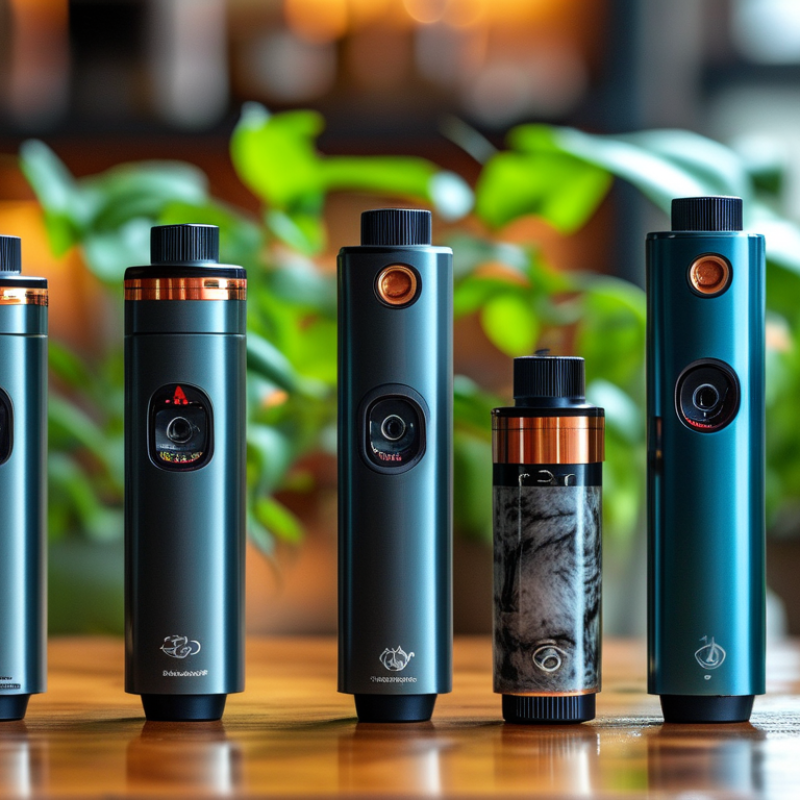
When it comes to vaping, several key components significantly impact vapor production. The coil type is crucial. Different coils, like Kanthal or stainless steel, heat e-liquids in distinct ways. The right coil can enhance flavor and vapor output. Resistance levels also matter. Lower resistance typically creates more vapor, but can push devices to their limits.
Wicking material, which absorbs e-liquid, also influences vapor production. Organic cotton is popular and effective. However, insufficient wicking can result in dry hits and burnt tastes. It’s important to monitor the condition of the wick regularly.
Tips: Experiment with different coil materials to find what suits your style best. Always ensure your wick is properly saturated before use. Keeping your device clean prevents clogs and maintains optimal performance. Lastly, understand your device’s limits; pushing too hard can lead to subpar results.
E-liquids play a crucial role in vapor production. Their formulation significantly influences the amount of vapor produced by vaping devices. Not all e-liquids are created equal. The base ingredients—PG (propylene glycol) and VG (vegetable glycerin)—affect vapor density directly. VG is thicker and generates more vapor clouds, while PG offers a throat hit. The ratio of these ingredients can drastically change your vaping experience.
Flavorings can also impact vapor volume. Some flavors require higher concentrations of VG, which can produce larger clouds. However, they might not be as enjoyable for everyone. It’s worth trying different blends to see what suits your preferences.
Tips for enhancing vapor production include adjusting your device settings. Experiment with temperature and wattage for optimal results. Keeping your coil and wick clean is vital. A clean setup will improve flavor and vapor output. Remember, everyone’s taste is different. Discover what works best for you through trial and error.
In vaping devices, temperature control plays a crucial role in determining vapor density. When the temperature is too low, the vapor production remains minimal. Higher temperatures can amplify vapor density, but it’s a delicate balance. Overheating can lead to burning the e-liquid and negatively affecting flavor. Finding the optimal temperature is essential for a satisfying experience.
Different materials in devices can lead to variations in vapor quality. For instance, metal coils heat differently than ceramic ones. Experimenting within a range helps users discover their preferred experience. However, many newcomers might find it challenging to know where to start. The numbers can seem overwhelming.
Mistakes in temperature settings can lead to inconsistent vapor production. Users may set their devices too high, causing harshness when inhaled. Alternatively, some might keep it too low, missing out on rich flavors. Understanding how temperature influences vapor can lead to better individual experiences. Trial and error are integral parts of mastering vaping.
Coil resistance plays a significant role in vapor production. Lower resistance coils enable higher wattage levels. This results in increased heat and vapor volume. However, users may struggle to find the perfect balance. Too low resistance can lead to burnt hits and poor flavor. It’s essential to experiment to discover what works best for individual preferences.
Surface area is another critical factor. Larger coil surface areas allow for more e-liquid to vaporize simultaneously. This generally enhances vapor quality. Yet, a bigger surface area can also lead to uneven heating. Users may encounter dry hits or inconsistent vapor production. Finding an optimal surface area can take time and practice.
Adjusting these elements can be a trial-and-error process. It requires patience and understanding of how each change impacts the experience. Sometimes, users expect instant results but may need to experiment over several sessions. This journey is part of discovering one’s ideal vaping setup.
| Coil Resistance (Ω) | Surface Area (cm²) | Vapor Production (ml/min) | Temperature (°C) | Flavor Intensity (1-10) |
|---|---|---|---|---|
| 0.5 | 30 | 12.5 | 220 | 9 |
| 1.0 | 25 | 9.0 | 210 | 8 |
| 0.3 | 35 | 15.0 | 230 | 10 |
| 0.6 | 28 | 11.0 | 225 | 9 |
| 1.5 | 20 | 7.0 | 200 | 6 |
User techniques significantly shape the vaping experience. How you draw and inhale can alter vapor production and flavor. Adjusting your techniques can be a game-changer. Many users often underestimate the impact of their inhalation style. A gentle, steady draw can enhance flavor, while a hard pull might produce more vapor but dilute taste.
Tips: Start by experimenting with different inhalation rates. Slow, deep whiffs often lead to richer clouds. Additionally, consider your device settings. Higher wattage settings typically yield more vapor. However, be cautious. Excessive heat can lead to burnt flavors. Balance is crucial.
Another factor is airflow. Tight airflow results in warmer vapor, while wider airflow cools the experience. Users sometimes overlook this aspect, thinking it’s all about the liquid. Adjusting airflow not only affects vapor density but also alters flavor intensity. Take time to find your preference.
Tips: Play around with airflow settings before committing to a specific technique. Small changes can make a big difference. Reflect on your session and adjust as needed. Embrace the nuances of your approach. Every method has its strengths and weaknesses. Understanding these helps maximize your enjoyment.
This chart illustrates the various factors that influence vapor production in vaping devices, showcasing the significance of device power, coil resistance, e-liquid VG/PG ratio, temperature, airflow, and puff duration on the overall vaping experience.
: E-liquids typically contain PG (propylene glycol) and VG (vegetable glycerin). VG is thicker and produces more vapor.
Some flavorings need more VG, which can create larger vapor clouds. However, taste preferences vary among users.
Adjusting device settings like temperature and wattage can improve vapor output. Experiment with these for the best results.
Clean coils and wicks improve flavor and vapor production. A dirty setup can lead to burnt hits and poor experiences.
Lower resistance coils produce higher wattage, increasing heat and vapor volume. However, too low can harm flavor quality.
A larger coil surface area allows for more e-liquid to vaporize. This can enhance vapor quality but may cause uneven heating.
Too low resistance can lead to burnt hits, while a larger surface area may cause dry hits. It takes time and practice.
Everyone’s taste is different. Discovering the right settings involves trial and error, which can be frustrating at times.
No, users often need several sessions to find what works best. Every adjustment can change the experience significantly.
Instant results are rare. Many adjustments require patience and reflection to fully understand their impact on vaping.
The article "2026 Best Factors Influencing Vapor Production in Vaping Devices" explores various elements that contribute to the efficiency of vapor production in vaping. It highlights the key components of vaping devices, such as atomizers and battery power, that significantly impact vapor quality. Additionally, the types of e-liquids used play a crucial role in determining vapor volume, as the composition and viscosity can affect how much vapor is generated with each puff.
Temperature control is another important factor, as it regulates the density of the vapor produced, while coil resistance and surface area are critical in enhancing vapor quality. Furthermore, the techniques employed by users during vaping can greatly influence their overall experience, affecting everything from throat hit to cloud size. Understanding what affects vapor production in vaping devices helps users optimize their vaping experience for the best enjoyment.

ERA Vape