In the ever-evolving world of vaping, maintaining your equipment is crucial. Understanding how to clean and maintain vape tanks is essential for both flavor quality and device longevity. Renowned vaping expert Dr. Lisa Thompson emphasizes, “Regular maintenance can transform your vaping experience.” Her insights highlight the importance of a clean tank for optimal performance.
Cleaning vape tanks might seem straightforward, but many vapers overlook critical steps. A tank filled with residue can compromise the taste of your favorite e-liquid. Furthermore, neglecting proper maintenance can lead to equipment failure. It’s important to recognize that even small mistakes can have significant impacts.
Effective cleaning techniques require attention to detail. Knowing which materials are safe and how to handle them will prevent damage. While many resources claim to simplify this process, understanding the nuances of your specific tank is vital. In this guide, we will explore practical methods and share expert insights on how to clean and maintain vape tanks effectively.
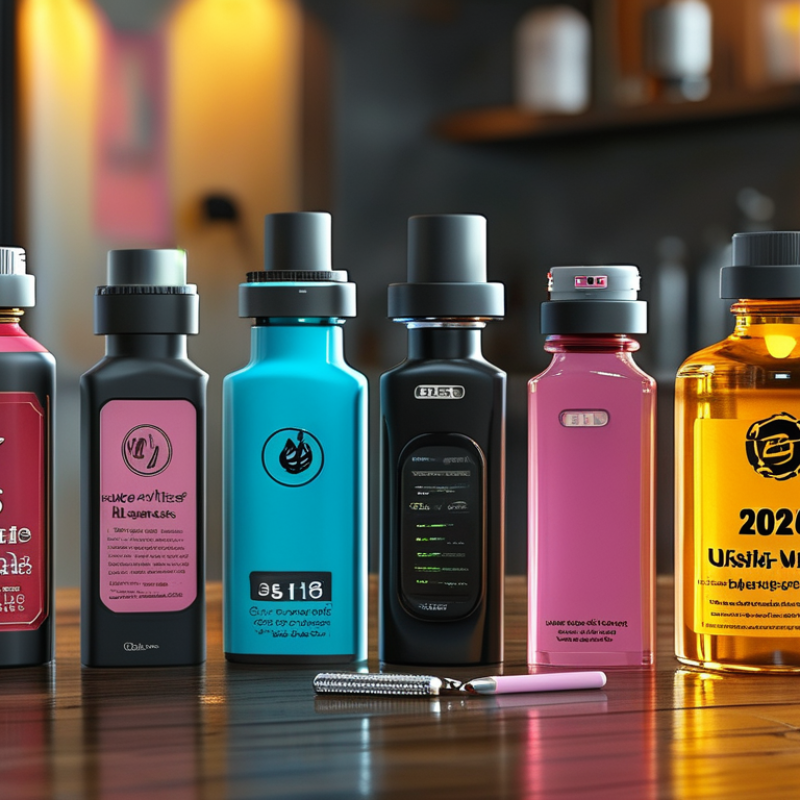
Vape tanks come in various types, each with unique features catering to different preferences. The most common types include sub-ohm tanks, RTA (Rebuildable Tank Atomizers), and RDA (Rebuildable Dripping Atomizers). According to a recent market report, sub-ohm tanks have gained a 45% share in the vape tank market due to their ability to produce larger vapor clouds. They utilize low-resistance coils, making them popular among cloud chasers.
RTA and RDA tanks, although less common, have their dedicated user bases. RTAs allow for greater customization by enabling users to build their own coils while also offering a tank for e-liquid storage. This versatility appeals to experienced vapers. On the other hand, RDAs are favored for their intense flavor production but require more frequent refilling and maintenance, contributing to a more hands-on experience. Industry statistics indicate that 30% of vapers prefer RTAs for this reason.
Maintaining vape tanks can be a complex task. Users often struggle with coil longevity and e-liquid buildup. Regular cleaning is essential to avoid burnt tastes. A report from the vaping industry suggests that 60% of users experience issues with tank cleanliness, leading to suboptimal flavor. Engaging in regular maintenance routines can mitigate these issues, although many vapers admit they overlook this aspect. Understanding the types and features of vape tanks helps in making informed choices for a better vaping experience.
Regular cleaning of vape tanks is vital for preventing clogs and preserving the flavor of your e-liquid. Over time, residue builds up from vaporized liquid, leading to a decrease in performance. A 2022 industry report highlighted that nearly 70% of vapers experience flavor degradation due to tank neglect. This can be disheartening, especially for users who invest in high-quality e-liquids expecting consistent taste.
Cleaning your vape tank regularly can extend its lifespan. Use warm water or a mild solution for both the tank and components. Rinse thoroughly to remove any lingering residues. Consider soaking parts in a vinegar solution for deep cleaning, which can effectively break down stubborn buildup. Drying components properly is equally important; moisture can lead to issues during the next use.
To maintain optimal performance, remember to change your wick every few weeks. A dirty wick contributes to poor flavor and can cause unpleasant tastes. Conduct a monthly thorough clean to enhance your overall vaping experience. Regular maintenance allows vapers to savor every puff, avoiding unexpected disappointments. Small, consistent efforts yield significant rewards.
Cleaning your vape tank is essential for optimal performance. A dirty tank can affect the flavor and quality of your vapor. Start by gathering your tools: a soft cloth, warm water, and a gentle brush or cotton swabs. Take your tank apart carefully. Remove the coil and any other detachable parts.
Soak the tank components in warm water for a few minutes. Use the gentle brush to scrub away residue. Pay special attention to the smaller parts. This is where buildup often hides. Rinse everything thoroughly with water. Make sure no soap or cleaning solution remains. Dry each part completely with a soft cloth.
After cleaning, reflect on the state of your vaping habits. Regularly cleaning your tank can lead to a better experience. If you neglect it, you may notice a decline in performance. Think about how often you replace coils and liquids. Adjust your cleaning routine accordingly. Taking these steps can enhance flavor and prolong the life of your device.
Maintaining vape tanks is essential for optimal performance. Regular cleaning is crucial to prevent buildup. A report from the vaping industry reveals that over 70% of users experience flavor degradation without proper maintenance. This underscores the importance of cleaning your vape tank frequently.
When cleaning vape tanks, remove the coil and rinse the tank with warm water. Avoid using soap or chemical cleaners, as residues can affect flavor. After rinsing, allow the tank to dry completely. Many users forget this step, leading to moisture problems later. Do disassemble your tank regularly. Check for any wear and tear on O-rings or seals. The failure to replace damaged parts can lead to leaks, which a study found is a common issue for 35% of vapers.
Don't forget to re-wick your coils after a few refills. This ensures the best flavor experience. Some users might overlook this, thinking their tank still performs well. In fact, neglecting these small tasks can lead to a muted taste. It's essential to develop a routine for maintenance. Regular checks will enhance your vaping experience and potentially extend the life of your device.
Cleaning vape tanks regularly is essential for optimal performance. Experts suggest doing so after every two to three uses. This frequency prevents build-up of residue and enhances flavor quality. According to a survey by the Vape Industry Association, 70% of vapers do not clean their tanks as recommended. This neglect can lead to clogged pathways and burnt coils, significantly affecting the vaping experience.
Professional recommendations often focus on several factors. The type of e-liquid used influences cleaning frequency. Sugary or thicker liquids may require more frequent maintenance. Many users do not realize that failing to clean tanks can also impact device lifespan. Over time, accumulated residue can lead to more significant issues that may require complete replacement of components.
Vape tanks should be disassembled and rinsed under warm water. Hard-to-reach areas, such as the chimney, may need a dedicated brush. While many vapers trust their devices, they sometimes overlook critical aspects of maintenance. A lack of attention to cleanliness can undermine even the best-quality setups. Maintaining cleanliness is important for both taste and performance. Therefore, taking time to clean your vape tank is a crucial investment in your overall experience.
| Cleaning Frequency | Recommended Cleaning Method | Cleaning Tools | Best Practices |
|---|---|---|---|
| Weekly | Disassemble tank, rinse with warm water | Soft brush, warm water | Ensure complete drying before reassembling |
| Bi-Weekly | Soak in vinegar solution, scrub gently | Vinegar, soft cloth | Check for residue and rinse thoroughly |
| Monthly | Full disassembly and cleaning with isopropyl alcohol | Isopropyl alcohol, cotton swabs | Inspect O-rings and replace if needed |
: The main types are sub-ohm tanks, RTAs, and RDAs. Each serves different preferences.
Sub-ohm tanks create larger vapor clouds and have a 45% market share. They use low-resistance coils.
An RTA allows for coil building and has e-liquid storage, appealing to more experienced vapers.
RDAs produce intense flavor but need frequent refilling and maintenance, leading to a hands-on experience.
It's recommended to clean your tank every two to three uses to prevent build-up and maintain flavor.
You'll need a soft cloth, warm water, and a gentle brush or cotton swabs for effective cleaning.
Regular cleaning helps avoid burnt tastes and prolongs the tank’s life by preventing residue buildup.
Neglect can lead to clogged pathways and burnt coils, affecting flavor and overall vaping experience.
Reflect on your vaping habits and adjust your cleaning frequency based on how often you change coils and liquids.
Thicker or sugary e-liquids may require more frequent maintenance due to their tendency to leave residue.
The article titled "2026 Best Guide on How to Clean and Maintain Vape Tanks" provides a comprehensive overview of the essential aspects of vape tank care. It begins by categorizing different types of vape tanks and discussing their features, which helps users understand their equipment better. The significance of regular cleaning is emphasized, particularly for preventing clogs and preserving the flavor of the vape juice.
A step-by-step guide details the necessary tools and techniques for effectively cleaning vape tanks, ensuring that users can perform this task with confidence. Additionally, best practices for maintenance are outlined, highlighting the dos and don’ts to help users prolong the life of their tanks. Finally, the article addresses the recommended frequency of cleaning, aligning with industry standards to ensure optimal performance. Overall, the guide serves as a valuable resource for anyone looking to learn how to clean and maintain vape tanks effectively.

ERA Vape