Choosing between two vaping formats can feel simple in a shop, yet daily use reveals important differences. The question “what is the difference between refillable and disposable vapes” involves more than appearance or price. Refillable vapes usually contain a rechargeable battery and a tank that users fill with e-liquid. Disposable vapes generally arrive prefilled and are discarded when their liquid or battery runs out. The distinction affects convenience, maintenance, waste, and long-term spending.
Some details are easy to miss. A refillable device may offer more control over flavor, airflow, and nicotine strength, depending on its design. However, it requires charging, cleaning, coil replacement, and careful storage. A disposable vape is simpler to carry and use, especially during short trips. Its fixed design offers fewer choices, and repeated disposal can create more material waste. In my experience, convenience often wins during busy days, while refillable systems demand better routines. That trade-off is not always obvious.
Reliable comparisons should follow manufacturer instructions and current public-health guidance. Users should check ingredients, battery warnings, age requirements, and local regulations before purchasing or using either product. Nicotine can cause dependence, and vaping is not risk-free. Non-users should not begin, while pregnant people and those concerned about nicotine exposure should seek qualified medical advice. Neither format is automatically better. Personal priorities matter, but the environmental and health questions remain more complicated than a simple cost comparison. This guide examines those practical differences carefully, including performance, upkeep, waste, and everyday reliability.
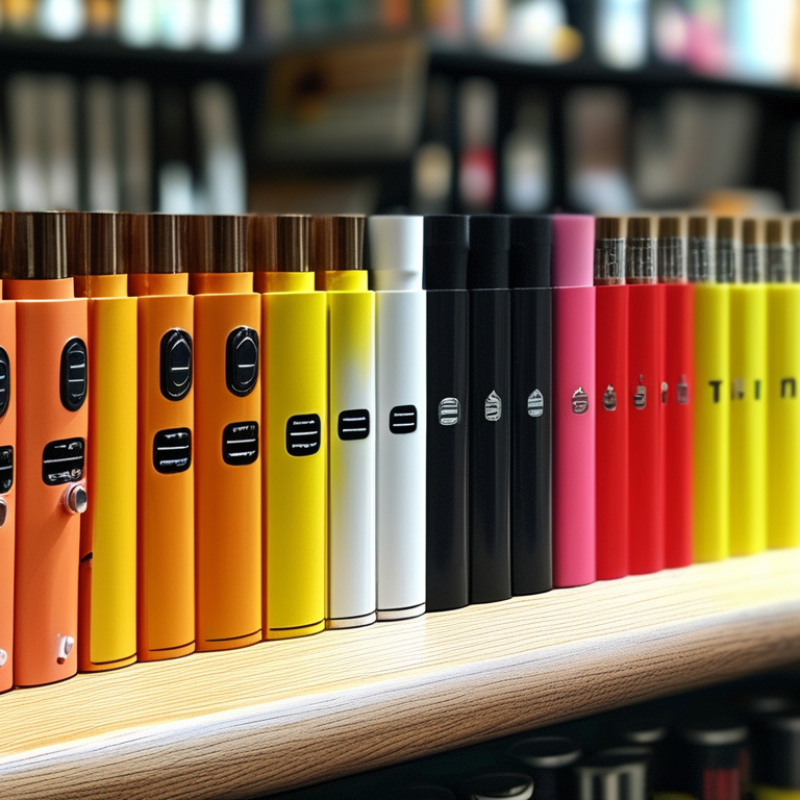
A refillable vape uses a reusable device, a refillable tank or pod, and e-liquid added by the user. Its battery can usually be charged, while coils or pods may need replacement. A disposable vape arrives prefilled and ready to use. It is normally discarded after the liquid or battery runs out. Some disposable devices can be recharged, so the label is not always perfectly clear.
That distinction matters. Refillable systems create more user decisions, including liquid storage, filling, charging, and cleaning. A small bottle beside a tank may seem convenient, but leaks and incorrect handling can occur. Disposable devices are simpler, yet they can generate more frequent waste. Neither product produces harmless water vapor. The aerosol may contain nicotine, ultrafine particles, and other chemicals, according to the World Health Organization.
Usage data also shows why definitions need care. The U.S. Centers for Disease Control and Prevention reported in the 2023 National Youth Tobacco Survey that disposable devices were used by 60.7% of current youth e-cigarette users. This figure describes a specific population, not all consumers. It should not be treated as proof of safety or product quality. For adults who already vape, comparing refillable and disposable devices means examining ingredients, battery condition, labeling, waste, and personal dependence. The evidence is still developing. That deserves caution.
Refillable and disposable vapes use the same basic principle: a battery powers a small heating coil, which turns e-liquid into an inhalable aerosol. An airflow sensor or button activates the coil. The liquid usually moves through cotton or another absorbent material before heating. This process happens within seconds.
A refillable vape has a tank or pod that users fill with compatible e-liquid. Its battery may be rechargeable, while the pod or coil needs cleaning or replacement over time. The experience can change when the coil becomes worn. A burnt taste often signals that the material is dry or overheated. Small details matter.
A disposable vape arrives with liquid already inside and normally includes a sealed coil and built-in battery. When the liquid runs out or the battery loses power, the whole device is no longer usable. There is less maintenance, but users have less control over the liquid, airflow, and coil. Convenience has a trade-off.
The distinction is not always perfectly clear. Some devices use replaceable pods but still look disposable. Refillable models may create less waste, yet careless filling can cause leaks or contamination. Only use products from regulated sources, follow the charging instructions, and keep devices away from children and heat. Do not use a damaged battery. Disposal also matters, because electronic parts should not be placed casually in household rubbish.
Refillable and disposable vapes both heat e-liquid to create an aerosol, but they differ in how the liquid, battery, and heating coil are managed.
How they work: A battery supplies power to a heating coil. The coil heats e-liquid absorbed by a wick, producing an aerosol that is inhaled. Disposable vapes are generally pre-filled and designed for limited use before disposal. Refillable vapes are designed for repeated use, allowing the user to add e-liquid and, depending on the device, replace the coil or pod.
Chart values show whether a feature is typically present in each device category: 1 = yes, 0 = no. Device designs vary by model and local regulations.
Refillable and disposable vapes differ most clearly in design and everyday handling. A disposable unit arrives sealed, prefilled, and ready for immediate use. Its battery and liquid chamber usually remain enclosed until the device reaches the end of its service life. It is simple. The compact shape can fit easily into a pocket, but users cannot normally inspect or replace internal parts.
A refillable vape uses separate components, such as a rechargeable battery, a pod or tank, and a replaceable coil. Users add compatible e-liquid and connect the device to a charger. This design allows more control over capacity and airflow, yet it also creates extra responsibilities. A loose seal may cause leakage around the mouthpiece. An old coil can produce a dry taste. Cleaning matters more than many beginners expect.
Usage feels different too. Disposables reduce preparation, while refillable devices require regular checks, charging, and careful storage. Over time, refillable models may reduce packaging waste, although the result depends on maintenance and how often parts are replaced. They are not automatically cheaper. Disposable devices can seem economical at first, but repeated purchases may change that calculation. In practical comparisons, battery life, liquid capacity, comfort, and local age and safety regulations deserve equal attention. My own judgment would remain cautious: convenience is real, but convenience can hide ongoing waste and cost.
Refillable and disposable vapes differ most in long-term cost, upkeep, and useful life. Disposable devices usually cost less at checkout. However, frequent replacement can make their total cost rise quickly. A refillable device costs more initially, including the battery unit, charger, liquid, and replacement coils. After that, users generally buy liquid and coils rather than a complete device.
Maintenance is the main practical difference. Refillable models need regular charging, careful filling, and occasional cleaning around the mouthpiece. A loose coil can cause a burnt taste, while overfilling may create leaks in a pocket or bag. Disposable models require almost no maintenance. They are convenient, but users cannot normally repair or replace their internal parts. Convenience has a price.
Lifespan depends on usage, storage, and device quality. A disposable vape may last from a day to several days for a regular user. A refillable device can last weeks or months, although its coil may need replacement sooner. Batteries also lose capacity over time. I have found that tracking daily use gives a more honest cost comparison than judging the purchase price alone. Still, this method is imperfect because liquid consumption varies widely. Safe charging, dry storage, and following the manufacturer’s instructions matter with either type. Devices should be discarded responsibly when damaged, leaking, or no longer holding a charge.
| Comparison Dimension | Refillable Vapes | Disposable Vapes |
|---|---|---|
| Basic design | A reusable battery device with a refillable tank or pod and a replaceable coil or pod. | A prefilled, self-contained device intended to be discarded after its e-liquid is depleted. |
| Typical initial cost | Approximately $15–$60 for a basic reusable starter device, depending on battery capacity and design. | Approximately $5–$20 per device, depending on liquid capacity, battery size, and local taxes. |
| Ongoing liquid cost | E-liquid is purchased separately. A 30 mL bottle commonly provides several days to several weeks of use, depending on device power and vaping frequency. | Liquid is included in the purchase price, so the user pays the full device cost each time the liquid runs out. |
| Estimated monthly cost | Often about $15–$90 per month for e-liquid and replacement pods or coils, assuming moderate use. The actual amount varies substantially by device and consumption. | Often about $30–$300 per month, depending on a typical device price of $5–$20 and usage of roughly 4–15 devices per month. |
| Maintenance required | Requires periodic refilling, charging, cleaning of the pod or tank, and replacement of worn coils or pods. | Minimal routine maintenance. The device is normally replaced when the liquid or usable battery capacity is exhausted. |
| Coil or pod replacement | A coil or pod commonly lasts about 1–3 weeks, although sweet e-liquids, heavy use, and high power can shorten its life. | Not normally replaceable. The entire device is discarded when performance declines or the liquid is finished. |
| Device lifespan | The main device may last approximately 6–24 months with normal care. Battery performance generally declines over time. | Usually lasts from about 1–14 days, depending on the liquid capacity, battery capacity, and frequency of use. |
| Charging | Designed to be recharged repeatedly with a compatible charging cable or charging system. | Some models have a rechargeable internal battery, while others cannot be recharged. Recharging does not make the device reusable after the liquid is depleted. |
| Flavor and nicotine options | Usually offers a wider choice of e-liquid flavors, nicotine strengths, and nicotine formulations, subject to local regulations. | Options are limited to the flavors and nicotine strengths preselected for each device. |
| Convenience | Less convenient at first because it must be filled, charged, and maintained, but it is practical for regular users. | Very convenient for short-term or occasional use because it is prefilled and requires little setup. |
| Waste generation | Creates waste from empty e-liquid containers, used coils, and worn pods, but the battery and main device can be reused. | Creates more frequent electronic waste because the battery, casing, circuit board, and remaining components are discarded together. |
| Environmental handling | Used batteries, pods, coils, and e-liquid containers should be handled according to local recycling and hazardous-waste rules. | Disposable devices should not be placed in household trash where battery-waste rules prohibit it; they should be taken to an appropriate e-waste or battery collection point. |
| Best suited for | Regular users who want lower long-term costs, adjustable options, and a device that can be maintained and reused. | Users who prioritize simplicity and portability, and who accept higher recurring costs and more frequent device disposal. |
Note: Cost and lifespan figures are typical estimates in U.S. dollars and can vary by region, taxes, product specifications, vaping frequency, e-liquid consumption, and applicable regulations. Vapes commonly contain nicotine, an addictive substance.
What Is the Difference Between Refillable and Disposable Vapes?
Refillable and disposable vapes differ in lifespan, waste, and user control. That distinction matters. Both can deliver nicotine and produce an aerosol containing ultrafine particles, metals, and other chemicals, according to the U.S. Centers for Disease Control and Prevention. Refillable devices allow users to replace liquid and batteries less often, but handling liquid can cause leaks or accidental skin contact. Nicotine strength also varies between products and user habits. More control does not mean safety. Health evidence remains incomplete, especially for long-term use.
The environmental contrast is clearer. A disposable vape combines plastic, electronics, and a lithium battery in one small item. Material Focus reported that about five million single-use vapes were discarded weekly in the United Kingdom during 2023. Many were not recycled properly. Refillable models can reduce the number of discarded batteries, although their bottles, coils, and worn components still create waste. This comparison is imperfect. Device lifespan and recycling access change the result.
Regulation adds another layer. In the European Union, the Tobacco Products Directive limits nicotine liquid to 20 mg/mL, tanks to 2 mL, and refill containers to 10 mL. Other jurisdictions use different limits, packaging rules, and disclosure requirements. The European Commission also requires child-resistant and tamper-resistant designs for covered products. Buyers should check local rules and disposal guidance. A compliant product in one market may fail another market’s standards. The evidence deserves caution, not certainty.
: It arrives sealed, prefilled, and ready to use. Its battery and liquid chamber usually stay enclosed. It is compact and convenient. The device is discarded after its useful life.
It uses separate parts, including a rechargeable battery, pod, tank, and replaceable coil. Users add compatible e-liquid and charge the battery. More control means more maintenance.
Refillable devices need regular charging, liquid checks, cleaning, and safe storage. A loose seal may leak near the mouthpiece. An old coil can create a dry taste. Beginners may underestimate this work.
No. They may reduce repeated purchases over time, but coils, liquid, batteries, and chargers add costs. Disposable devices seem inexpensive initially. Repeated buying can change the calculation.
Disposable devices combine plastic, electronics, and lithium batteries in one small item. Refillable devices can reduce discarded batteries. Their bottles, coils, and worn parts still create waste.
Not automatically. Both types may deliver nicotine and produce aerosols containing ultrafine particles, metals, and chemicals. Long-term health evidence remains incomplete. More control does not mean safety.
Leaking liquid may contact the skin accidentally. Users should handle e-liquid carefully and store devices away from children. Charging and storage instructions deserve attention. Small oversights matter.
Rules differ by location. Some markets limit nicotine strength, tank capacity, and refill-container size. Child-resistant packaging may also be required. A product accepted in one market may not meet another market’s rules.
Consider battery life, liquid capacity, comfort, maintenance, waste, cost, and local regulations. Convenience matters. It can hide ongoing expense and waste. Recycling access also changes the comparison.
Understanding what is the difference between refillable and disposable vapes begins with their basic design. Refillable vapes use a reusable device with a rechargeable battery and a tank or pod that can be filled with compatible e-liquid. Disposable vapes are prefilled, compact devices designed for limited use and are discarded when the battery or liquid runs out. Both heat e-liquid into an inhaled aerosol, but refillable models generally offer more control over liquid choice, airflow, and power settings, while disposables prioritize simplicity and convenience.
Their costs, maintenance needs, and lifespans also differ. Refillable devices may require a higher initial investment, regular charging, cleaning, and replacement of coils or pods, but they can be more economical over time. Disposable devices require little maintenance but may cost more with frequent replacement and create more electronic waste. Users should also consider nicotine content, potential health risks, battery safety, recycling options, and local regulations before choosing either type.

ERA Vape