What Factors Affect Vapor Flavor and Quality for Buyers?

Time:2026-06-13 Author:Sienna
0%

When exploring the world of vaping, one critical question arises: what factors affect vapor flavor and quality? The choices a buyer makes can significantly influence their vaping experience. Understanding these factors is essential for both new and experienced users.

Flavor is often subjective, shaped by personal preferences and individual taste buds. However, it also relies on the ingredients used in e-liquids. Quality ingredients lead to cleaner, more vibrant flavors. It's vital that buyers familiarize themselves with these components for optimal satisfaction.

Moreover, the device used for vaping plays a crucial role in the end experience. From the coil material to temperature control settings, these technical aspects directly impact flavor intensity and overall quality. Buyers must learn how each of these elements interacts to create their desired experience. Reflecting on the interplay between flavors, device, and preferences can lead to better choices in a rapidly evolving market.
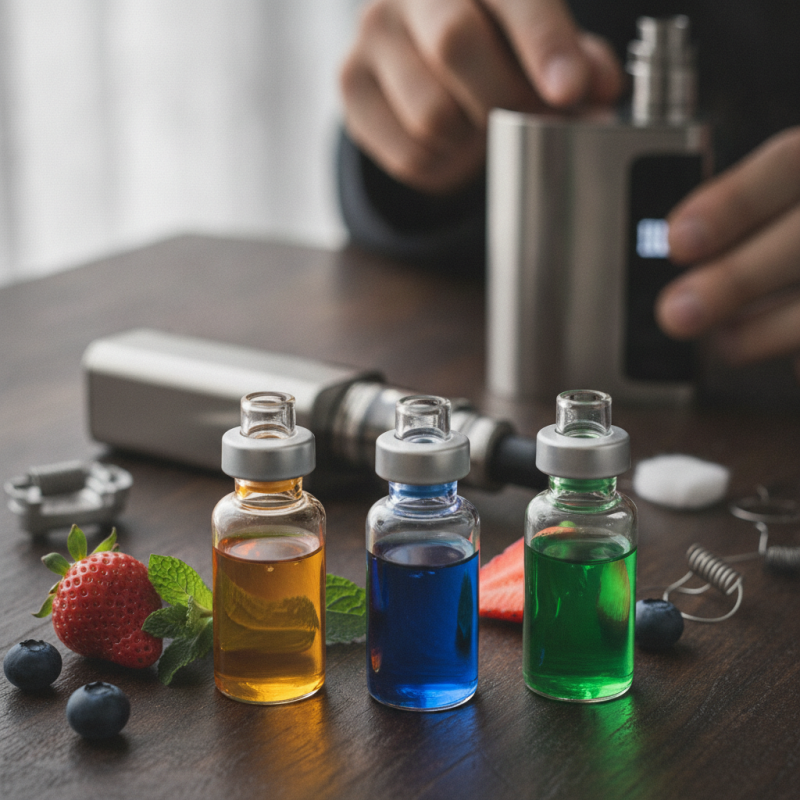
What Factors Affect Vapor Flavor and Quality for Buyers?

Factors Influencing the Composition of Vapor Flavor Profiles

The composition of vapor flavor profiles is influenced by various factors. One significant factor is the type of flavoring agents used in vapor products. Studies indicate that nearly 70% of vapor users prioritize flavor variety in their purchasing decisions. Natural extracts versus synthetic compounds can lead to notable differences in taste perception. User preferences differ, and some may find synthetic flavors overly sweet or artificial.

Additionally, the temperature at which vapor is produced plays a crucial role. Research shows that higher temperatures can alter the chemical composition of the flavor. At elevated temperatures, some flavor notes may become intensified, while others could degrade. This can impact overall user satisfaction, as inconsistent flavor delivery may lead to negative experiences.

Another critical factor is the device used for vaporization. The coil type and wattage can influence flavor quality significantly. A report from an industry analysis states that 60% of users notice better flavor profiles with temperature control devices. However, not all users are aware of this, leading to potential mismatches between device settings and flavor expectations. Understanding these nuances can help buyers make informed choices, enhancing their overall experience.

The Role of Flavoring Agents in Vapor Quality and Taste Experience

Flavoring agents play a crucial role in shaping the vapor experience. They can significantly affect the taste and overall quality of the vapor. Different flavorings contribute distinct profiles, influencing user satisfaction and preference. For example, fruity flavors might evoke freshness, while dessert notes can provide a sense of indulgence.

However, not all flavoring agents are created equal. Some may lead to an artificial taste. The quality of ingredients matters a lot. Users often compare their experiences based on flavor authenticity. A pure strawberry essence will offer a more genuine taste than synthetic variants. Manufacturers need to ensure a balance between flavor intensity and smoothness to enhance the experience.

It is also important to consider potential health implications. Some flavoring agents can degrade under high heat, impacting both flavor and safety. Buyers must seek reliable information about the ingredients used in vapor products. Transparency in sourcing can build trust. Ultimately, understanding these factors helps consumers make informed choices about their vaping experience.

Impact of Device Technology on Vapor Flavor Production

Device technology plays a critical role in enhancing vapor flavor production. Different devices use varied heating methods and coil materials. This affects how e-liquids are vaporized. Temperature control is essential. Higher temperatures can create harsh flavors. Lower temperatures may not release all flavor notes. Finding the right balance is key.

Coil design also influences flavor. Wider coils can produce larger vapor clouds but might sacrifice flavor intensity. Conversely, tighter coils usually enhance flavor but limit vapor production. Users often experiment with different setups to find their preferred combination. This process can be frustrating. Not every setup will give the desired result.

Ultimately, user technique contributes to flavor quality. Proper inhalation and puff duration matter. Even the way one holds a device can change the experience. Understanding these elements can lead to better choices. The journey to the perfect flavor is personal and often requires trial and error.

User Preferences and Perception of Vapor Flavor Quality

Understanding user preferences is crucial for assessing vapor flavor and quality. Different studies indicate that flavor impact is significant. For instance, a 2021 survey found that 70% of users prefer fruity and dessert flavors over traditional tobacco options. This shift suggests that flavor variety plays a substantial role in consumer satisfaction.


Perception of quality often hinges on the sensory experience. A report from the Flavor and Extract Manufacturers Association states that aroma can enhance flavor perception by 70%. Thus, the users who find a vapor's aroma pleasing are likely to rate its quality higher. However, some users express concerns about inconsistencies in flavor intensity across different products.


Another key factor is the cleanliness of the vapor experience. A 2023 study highlighted that 65% of participants believe that products with clearer, less harsh flavors feel more enjoyable. Users want reliability in flavor delivery. Variability can lead to dissatisfaction and trust issues. Balancing various attributes—taste, aroma, and consistency—remains a challenge for producers aiming to meet user desires.

Environmental Conditions Affecting Vapor Flavor Delivery and Enjoyment

Vapor flavor delivery is influenced by several environmental conditions that affect the overall enjoyment for users. Temperature plays a crucial role. A study found that higher temperatures can enhance flavor perception, but excessive heat may lead to a burnt taste. This phenomenon is often noted in vape devices where coil resistance and wattage settings need to be balanced. Ideal vaporization typically occurs around 200°C, where flavors can be maximized without degradation.

Humidity levels can also significantly impact vapor quality. High humidity may cause the vapor to feel less harsh, improving the mouthfeel. Conversely, low humidity conditions might result in a dry sensation during inhalation. Data from industry reports suggest that optimal humidity levels for vapor flavor delivery range from 40% to 60%. However, too much moisture can dilute flavor intensity, presenting a dilemma for users seeking rich experiences.

Airflow dynamics within devices cannot be overlooked. Adjustments in airflow can change flavor concentration and vapor production. Users might find that tighter airflow can enhance flavor richness but sacrifices cloud size. On the other hand, increased airflow can produce larger clouds but may lessen the flavor profile. The complexity of these interactions illustrates that even seasoned users need to experiment with their setups to find what best suits their preferences.

FAQS

: How do flavoring agents affect vapor quality?

: Flavoring agents shape the vapor experience, impacting taste and overall quality. Unique profiles enhance user satisfaction.

What is the difference between pure and synthetic flavoring?

Pure flavoring offers a genuine taste. Synthetic variants often lead to artificial flavors that may disappoint users.

How does temperature influence flavor delivery?

Higher temperatures can enhance flavor perception. However, excessive heat may result in a burnt taste, especially in devices.

What humidity levels are ideal for vapor flavor?

Optimal humidity levels for vapor delivery range from 40% to 60%. Too much moisture can dilute flavor intensity.

Why is airflow important in vaping?

Airflow adjustments change flavor concentration and vapor production. Tighter airflow enhances flavor richness but reduces cloud size.

Can flavoring agents have health implications?

Yes, some agents degrade under high heat, impacting flavor and safety. Users must seek reliable ingredient information.

How can users improve their vaping experience?

Users should experiment with device settings. Adjusting temperature and airflow can help find their preferred flavor profile.

What should buyers consider when choosing flavoring agents?

Buyers need to check for ingredient transparency. Understanding the sourcing helps build trust and informs better choices.

What happens in high humidity during vaping?

High humidity can make vapor feel less harsh. However, it may also dilute flavor intensity, creating a challenging balance.

Why might users have varying taste experiences?

Variances in flavoring quality and environmental factors can lead to different taste experiences. Each user's setup and preferences matter.

Conclusion

Understanding what factors affect vapor flavor and quality involves examining several key elements that contribute to the overall vaping experience. The composition of vapor flavor profiles is influenced by the selection of flavoring agents, which significantly shapes the taste experience for users. Additionally, advancements in device technology play a crucial role in how vapor flavors are produced and delivered, enhancing or detracting from the overall quality.

User preferences and perceptions also greatly impact the enjoyment of vapor flavors, as individual tastes can vary widely. Furthermore, environmental conditions, such as temperature and humidity, can alter the delivery and enjoyment of vapor flavors, making it essential for users to consider these factors for an optimal experience. Overall, a comprehensive understanding of these variables is vital for improving vapor flavor quality and satisfaction for consumers.

Sienna

Sienna

Sienna is a skilled marketing professional with a deep expertise in our company’s core products and services. With a passion for innovation and detail, she plays a pivotal role in crafting insightful blog posts that not only highlight the unique features of our offerings but also provide valuable......