In the ever-evolving world of vaping, understanding what affects vapor production in vaping devices is crucial. Dr. Emily Carter, a renowned expert in vapor technology, once stated, “The intricacies of vapor dynamics go far beyond the liquid alone.” This highlights the complexity of mechanisms at play.
Vapor production is influenced by several factors, including device design, coil material, and liquid viscosity. For instance, a well-designed coil can optimize heat distribution. Moreover, e-liquid composition plays a vital role. High VG liquids often produce thicker vapor, while high PG liquids offer a different experience.
Users often struggle with their setup, resulting in inconsistent vapor. A lack of understanding of coil resistance and wattage can lead to underwhelming results. Experimentation is key; finding the right balance depends on personal preferences and hardware capabilities. As the vape industry matures, insights into what affects vapor production in vaping devices become indispensable for enthusiasts and newcomers alike.
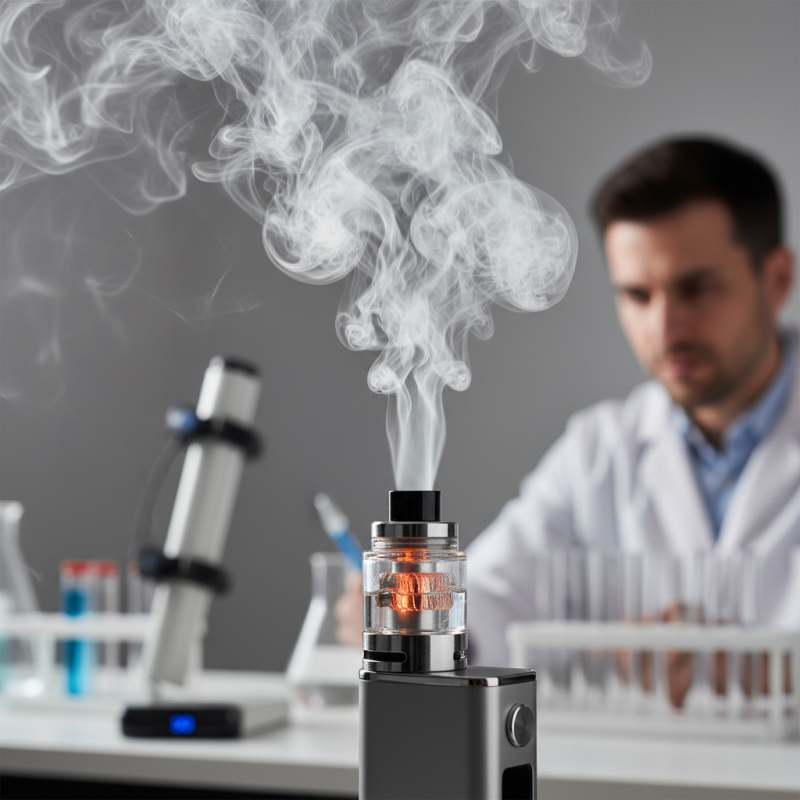
Factors Influencing Vapor Production in Vaping Devices
Vapor production in vaping devices hinges on several essential factors. These include the coil type, wattage setting, and e-liquid viscosity. The coil plays a critical role. Different materials such as kanthal or stainless steel can produce distinct vapor qualities. A coil rated for higher wattage often results in more vapor due to increased heat.
The wattage setting affects the heating process directly. Higher wattage typically generates more vapor; however, it can also lead to burnt hits. Finding the right balance is key. Additionally, e-liquid viscosity is crucial for creating vapor. Thicker liquids may not vaporize efficiently, leading to reduced output.
Understanding these variables can improve the vaping experience. However, the relationship between them is complex. Adjusting one factor could inadvertently affect another. While achieving optimal vapor production is desirable, it often requires experimentation and careful adjustment. This process can be frustrating, emphasizing the need for patience and practice in finding the ideal setup.
Role of E-Liquid Composition in Vapor Generation
The composition of e-liquids plays a crucial role in vapor production in vaping devices. Key components include propylene glycol (PG), vegetable glycerin (VG), flavorings, and nicotine. PG offers a throat hit similar to tobacco, while VG creates large vapor clouds. Balancing these ingredients can impact both flavor and vapor density.
When adjusting the ratio of PG to VG, users can notice significant changes. A higher VG content often means thicker vapor but less throat hit. Conversely, a PG-rich blend may enhance flavor perception. Many vapers enjoy experimenting with these ratios, but finding the right blend could take time and patience.
Not all flavors interact the same way. Certain flavorings may not vaporize as efficiently, potentially reducing overall vapor production. This inconsistency can lead to frustration for users seeking optimal satisfaction. Understanding the nuances of e-liquid composition can enhance the vaping experience, but it requires some trial and error to find what works best.
Impact of Coil Resistance on Vapor Output
When exploring the relationship between coil resistance and vapor output, it’s essential to understand the science behind it. The resistance of a coil affects how much current flows through it. Lower resistance typically leads to higher current, which can produce more heat. This heat vaporizes the e-liquid more effectively, resulting in increased vapor production. However, it is crucial to balance this with the device's battery capacity and the user's experience.
Using a low-resistance coil can enhance flavor and vapor volume. Yet, it may lead to quicker battery drain and overheating. Finding the right resistance is often a matter of trial and error. Users must consider their preferences and device compatibility. High-resistance coils generate less heat, leading to smaller vapor clouds but can provide a smoother inhale. It’s important to evaluate personal vaping habits when choosing coil resistance.
Experimenting with different coil types can yield varying results. Some vapers prefer the rigors of lower resistance, while others appreciate the steadiness of higher resistance. Understanding these nuances can significantly affect overall enjoyment. However, the right balance is key; exceeding recommended limits might lead to disappointing experiences. Each vaping journey is unique and personal adjustments are often necessary for optimal satisfaction.
Effects of Temperature Settings on Vapor Quality
Temperature plays a crucial role in vapor quality for vaping devices. Studies indicate that higher temperatures can produce denser vapor but may also lead to harsher throat hits. A recent report from the National Institute of Health highlights that temperatures above 400°F (204°C) can create potentially harmful compounds alongside increased vapor production. Optimal temperature ranges often fall between 350°F and 400°F (177°C to 204°C) for a balance of flavor and vapor.
When adjusting your device's temperature, start low. Slowly increase it while observing changes in flavor and throat sensation. This trial-and-error method allows users to find their preferred setting while minimizing potential risks. Lower temperatures often yield better flavor profiles, as they allow for smooth inhalation without unpleasant aftertastes.
Tips: Always use a reliable thermometer to check your device's temperature. Experimenting with your specific device’s temperature settings can reveal surprising results. Be mindful of your inhalation technique; shorter, controlled puffs can enhance flavor without overwhelming your throat.
Influence of Airflow Design on Vapor Density
Airflow design significantly influences vapor density in vaping devices. By maximizing airflow, devices ensure that hot air mixes effectively with vapor. This mixture leads to larger vapor clouds. Conversely, restricted airflow can result in a tighter draw, producing less vapor overall. An ideal setup balances airflow to enhance both flavor and vapor production.
When adjusting airflow, consider your personal preference. A loose draw may create larger vapor clouds, while a tighter draw can intensify flavor. Your experience is crucial; don’t hesitate to experiment. Finding the right airflow settings can dramatically enhance your vaping experience.
Tip: If you're new to vaping, start with a mid-range airflow setting. It allows you to gauge flavor and vapor density effectively. Monitor how each adjustment changes your experience. Small tweaks can lead to significant differences. Remember, customization is key in vaping.
FAQS
: Several factors affect vapor production, including coil type, wattage setting, and e-liquid viscosity.
Different coil materials can produce varying vapor qualities. For example, kanthal and stainless steel coils differ in performance.
Higher wattage typically results in more vapor through increased heat, but can also cause burnt hits if too high.
Thicker e-liquids may not vaporize effectively, leading to reduced vapor output. This is crucial for effective vaping.
E-liquids consist of PG, VG, flavorings, and nicotine. Their balance impacts both flavor and vapor density.
Higher VG content creates thicker vapor but less throat hit, while PG-rich blends may enhance flavor perception.
Airflow maximizes the mixing of hot air with vapor, leading to larger clouds. Restricted airflow decreases vapor production.
Experiment with your airflow settings. A loose draw may boost vapor, while a tighter draw can intensify flavor.
Start with a mid-range airflow setting to gauge your experience. Small adjustments can lead to significant differences.
Yes, finding the ideal e-liquid ratio takes time and patience. Not all flavors vaporize the same way, leading to inconsistency.
Conclusion
Vapor production in vaping devices is influenced by several key factors that collectively determine the quality and quantity of vapor generated. One of the primary considerations is the composition of e-liquid, which includes the balance of propylene glycol and vegetable glycerin. These components directly impact vapor generation and flavor delivery. Additionally, coil resistance plays a crucial role; lower resistance coils typically produce more vapor as they heat up faster, while higher resistance coils may produce less vapor but can enhance flavor.
Temperature settings are also vital in optimizing vapor production. Different temperature levels can alter the vapor's richness and density, leading to varied user experiences. Furthermore, the design of airflow systems in vaping devices significantly influences vapor density, as adequate airflow allows for better vapor expansion and cooler inhalation. Understanding what affects vapor production in vaping devices is essential for users aiming to enhance their vaping experience and tailor it to their preferences.

 ERA Vape