7 Best Ways to Select the Right Vape Device?

Time:2026-09-14 Author:Madeline
0%

Choosing a vape device should begin with your daily habits, not a glossy advertisement. If you are an adult using legal vaping products, comfort, simplicity, and reliable operation matter most. The best choice should fit your routine, hand size, charging habits, and preferred vaping experience.

Dr. Konstantinos Farsalinos, a cardiologist and tobacco-harm-reduction researcher, has stated, “The main risk reduction comes from switching completely from smoking to vaping.” His comment highlights an important point: device selection should support consistent, informed use. It should not encourage experimentation with unknown liquids, unsafe modifications, or excessive consumption. Always check local rules, product labeling, battery guidance, and age requirements.

This guide explains how to select the right vape device for personal use through seven practical considerations. We will examine device size, battery capacity, refill systems, airflow, vapor output, maintenance, and verified product quality. A compact pod may disappear easily into a pocket, while a larger device may provide longer battery life. Neither is automatically better.

The details can feel surprisingly personal. Some users want one-button operation. Others prefer adjustable settings and replaceable parts. My first assumption might be wrong for your routine. That is worth remembering.

Look for clear instructions, secure packaging, responsive customer support, and transparent manufacturing information. Avoid products with damaged batteries, leaking tanks, unclear ingredients, or exaggerated health claims. The right device is not the most powerful one. It is the one you can use responsibly, understand fully, and maintain safely.
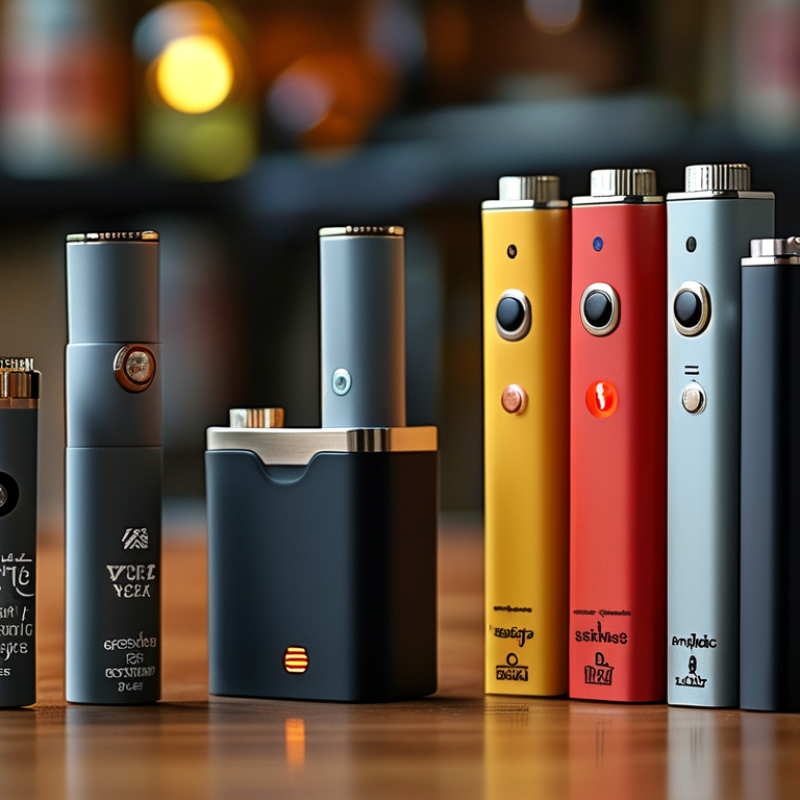
7 Best Ways to Select the Right Vape Device?

Define Your Vaping Needs, Experience Level, and Usage Habits

7 Best Ways to Select the Right Vape Device?

Choosing a vape device starts with understanding your vaping needs. Consider where and when you use it. A compact device may suit short breaks, while a larger model may fit longer sessions at home. Think about portability, charging time, airflow control, and maintenance. These details affect daily comfort more than appearance.

Your experience level also matters. Beginners often benefit from simple controls and clear instructions. Experienced users may prefer adjustable airflow or power settings. Usage habits should guide the device size and battery capacity. Frequent use can require dependable charging, but higher power may increase liquid consumption. That trade-off is easy to overlook. Always check battery safety guidance and use compatible charging equipment. Follow local age requirements and vaping regulations.

Tips: Write down your typical routine before shopping. Note session length, storage space, and charging access. Choose a device with safety protections and replaceable parts when practical. Read the manual carefully, even if the controls look obvious. Inspect the device for leaks, heat, or damage. Stop using it if anything seems unusual. No checklist is perfect, and personal comfort may change after several days. Reassess your choice instead of forcing yourself to keep an unsuitable device.

Compare Device Types, Features, and Ease of Operation

7 Best Ways to Select the Right Vape Device

Compare device types before comparing appearance. Closed pod devices are compact and simple, while refillable pod systems offer more control over liquid choice and airflow. Larger tank devices usually provide stronger vapor, but they need more cleaning and adjustment. Choose the simplest format that matches your routine. Convenience matters.

Check seven practical details: device size, battery capacity, charging method, airflow control, power range, coil availability, and button design. A clear display can prevent guesswork. Adjustable airflow may create a smoother draw, but excessive settings can confuse new users. Look for secure seals, readable instructions, and replaceable parts. Poor maintenance can cause leaks. I learned that the hard way.

Independent evidence should guide expectations. The National Academies reported that e-cigarette aerosol generally contains fewer toxic substances than cigarette smoke, but it is not harmless. The 2024 Grand View Research report estimated the global e-cigarette market at over 28 billion U.S. dollars in 2023, showing wide product variety, not guaranteed quality. Consider products legally sold in your region, and check age and safety requirements. Avoid devices with damaged batteries, unclear specifications, or unreliable charging accessories. Start with moderate power. More vapor is not automatically better.

7 Best Ways to Select the Right Vape Device

Compare device types by setup, portability, battery capacity, customization, refillability, operating cost, and maintenance.

Scores range from 1 to 5 and summarize common characteristics of each device category rather than a specific product. Disposable devices usually offer the simplest operation, while refillable pods and box mods provide more control and longer-term flexibility. Actual battery life, liquid capacity, and maintenance requirements vary by model and usage. Nicotine products carry health risks and are intended for adults of legal age.

Evaluate Battery Life, Portability, and Charging Requirements

When choosing a vape device, battery performance deserves close attention. A compact device may fit easily in a pocket, yet its smaller battery can require frequent charging. Check the advertised capacity, but treat it as an estimate. Usage habits, temperature settings, and battery age can change real-world performance.

Think about your daily routine. If you travel or work long shifts, choose a device that can last through several sessions. A small indicator light or screen can prevent unexpected power loss. Portability still matters. A lightweight shape is convenient, but extremely small models may feel less comfortable to hold. Test the grip, button placement, and overall weight when possible.

Charging requirements can affect safety and convenience. Look for clear charging instructions and a compatible cable. Avoid damaged cables, loose ports, and charging near heat or moisture. A removable battery may offer flexibility, but it demands more careful handling and correct storage. Built-in batteries are simpler, though replacement options may be limited. I once underestimated charging time before a long trip, and the inconvenience was avoidable. Check the full charging duration, not only the battery capacity. Select a legally permitted device for your location, and follow its manual closely.

Check Compatibility, Maintenance Needs, and Replacement Costs

7 Best Ways to Select the Right Vape Device?

Choosing a vape device starts with compatibility, not appearance. Check the connection type, power range, and supported cartridge or tank size. A device should match the intended liquid format and resistance range. Otherwise, performance may feel weak, harsh, or inconsistent. Always read the official instructions and follow local regulations.

Maintenance needs can differ sharply between devices. Some require regular cleaning around the mouthpiece and connection area. Others need coil changes, charging checks, or careful storage. Look for removable parts that are easy to inspect. Small leaks can become expensive if ignored. Keep the device dry and avoid using damaged batteries.

Replacement costs deserve a realistic calculation. Compare the price and availability of coils, cartridges, seals, charging components, and batteries. A low purchase price may hide frequent replacement expenses. A higher-priced device may offer simpler upkeep, but not always. Do the math for several months, not one week. I would not trust vague savings claims without checking local retail prices. Personal preferences also change, and that can make a careful choice feel imperfect. Choose a legally available device with reliable documentation and accessible replacement parts.

Prioritize Safety Standards, Product Quality, and Legal Compliance

Choosing the right vape device should begin with safety, not appearance or screen features. Check for overcharge, short-circuit, and overheating protection. Seek independent testing against standards such as UL 8139 or relevant IEC battery requirements. The U.S. Fire Administration’s 2017 report recorded 195 vaping-related fire or explosion incidents from 2009 to 2016. It also reported 133 acute injuries, including 38 severe injuries. These figures make battery design and charging controls impossible to ignore.

Product quality needs visible evidence. Look for batch numbers, tamper-evident packaging, clear instructions, ingredient details, and a traceable manufacturer contact. A polished box proves little. Check whether the device is legally permitted in your market. Rules differ sharply. For example, the European Union’s Tobacco Products Directive limits nicotine liquid to 20 mg/ml, refill containers to 10 ml, and tanks or cartridges to 2 ml. Local rules may also cover age limits, labeling, advertising, and disposal. A device compliant in one country may fail elsewhere. No checklist is flawless.

Tips: Inspect the battery area before use. Reject swelling, dents, loose connections, or unusual heat. Use the supplied charging equipment, never charge overnight, and keep the device away from metal objects. Verify local regulations through official government sources. Independent laboratory evidence is more valuable than influencer claims. I would still question vague safety language, even when the product looks professional.

FAQS

How can I estimate a device’s real battery life?

Treat advertised capacity as an estimate. Temperature, usage frequency, and battery age can reduce runtime. Test it during a normal day.

Is a smaller device always better for portability?

Not always. A compact shape fits a pocket, but it may need frequent charging. Extremely small devices can also feel awkward in the hand.

What should I check before buying a rechargeable device?

Check the charging duration, cable compatibility, indicator system, and port condition. A small screen or light can warn you before power runs out.

How can I charge the device more safely?

Follow the manual closely. Avoid damaged cables, loose ports, heat, and moisture. Do not leave charging equipment in unsafe conditions.

Are built-in or removable batteries more convenient?

Built-in batteries are simpler for everyday use. Removable batteries offer flexibility but require careful storage and handling. Neither option is perfect.

How do I confirm device compatibility?

Check the connection type, power range, cartridge or tank size, and resistance range. Mismatched parts may produce weak, harsh, or uneven performance.

What maintenance tasks should I expect?

You may need to clean the mouthpiece and connection area. Some devices require coil changes or leak checks. Small leaks can become costly.

How should I compare replacement costs?

Calculate several months of expenses. Include coils, cartridges, seals, charging parts, and batteries. A cheap device may become expensive through frequent replacements.

What should I consider before traveling with the device?

Confirm that the device is legally permitted at your destination. Check its charging time before departure. I once misjudged this and regretted it.

Conclusion

Selecting the right vape device for personal use begins with understanding your needs, experience level, and daily habits. Consider how often you plan to use it, whether you prefer a simple or adjustable experience, and how comfortable you are with operating and maintaining a device. Compare available device types by examining features such as ease of use, airflow control, display options, and overall portability. Battery capacity is also important, especially if you spend long periods away from a power source. A compact device may be convenient for travel, while a larger one may provide longer operation between charges.

To learn how to select the right vape device for personal use, also review charging requirements, compatible consumables, cleaning procedures, and the cost of replacement parts. Choose products made with reliable materials and clear safety protections, such as overcharge and overheating safeguards. Always purchase through lawful, reputable channels, verify that the product meets applicable safety standards, and follow local age restrictions, usage rules, and disposal guidance.

Madeline

Madeline

Madeline is a dedicated marketing professional with a wealth of expertise in our company's core offerings. With a keen understanding of the industry, she brings a unique perspective to her role, consistently delivering high-quality content that highlights the superior aspects of our products. As......