How to Identify Common Components of a Vape Device?

Time:2026-04-29 Author:Liam
0%

Vaping has gained immense popularity over recent years, with an estimated 41 million users worldwide according to the Global State of Tobacco Harm Reduction 2022 report. As more individuals enter the vaping market, understanding the intricacies of vape devices becomes crucial. A common question arises: what are the common components of a vape device? This knowledge is essential for both novice users and industry professionals seeking to enhance their experience.

Typically, a vape device consists of several critical components. These include the battery, atomizer, and e-liquid reservoir. Each part plays a vital role in delivering vapor and affects user satisfaction. However, not all devices are created equally. Quality can vary widely, leading to concerns about safety and performance.

Furthermore, the rapid evolution of vape technology presents challenges. Users might find it difficult to keep up with the latest advancements. As the market grows, awareness of common components empowers users to make educated choices. Ultimately, understanding the basics of vape devices contributes to a safer and more enjoyable vaping experience.
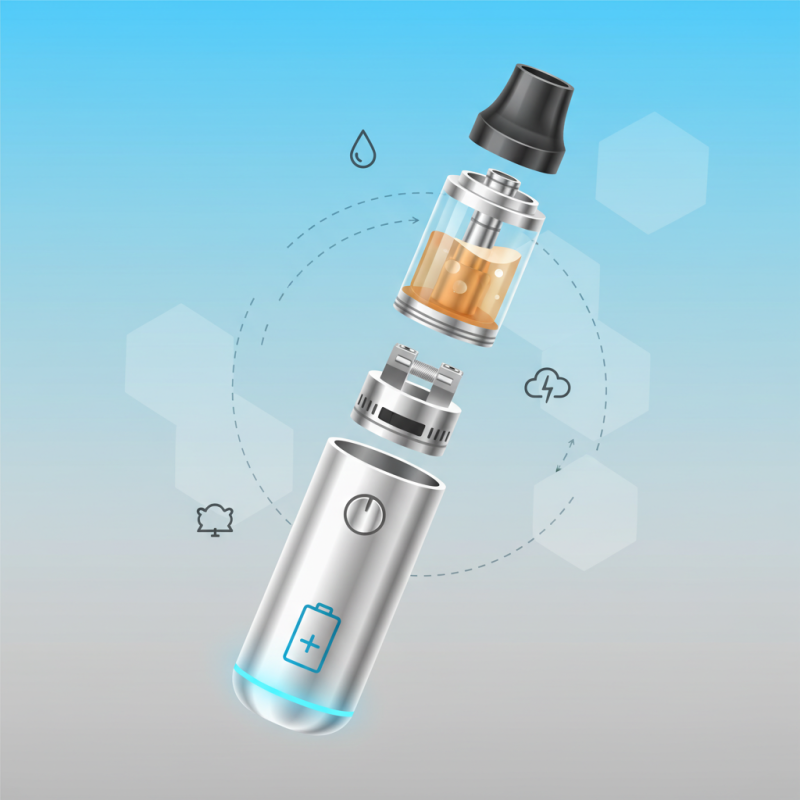
How to Identify Common Components of a Vape Device?

Understanding the Basic Structure of Vape Devices

Vape devices have a basic structure that ensures they function effectively. Understanding these components can help users make informed choices. At the core, every vape device includes a power source, typically a rechargeable battery. This battery generates the energy required to heat the coil.

The coil heats up and vaporizes the e-liquid, which is stored in a tank or a pod. The tank is another essential component; it holds the e-liquid and allows for an easy refill. A proper seal is crucial here for preventing leaks. Additionally, these devices contain wicking material, which absorbs the e-liquid and delivers it to the coil.

Every component has its role, yet one must reflect on the importance of quality. Not all materials are created equal; low-quality parts can lead to issues. Users often face inconsistencies in flavor or vapor production. Therefore, understanding these elements can enable better choices, enhancing the overall vaping experience.

It’s vital to recognize that familiarity with each part can lead to greater satisfaction.

Identifying Key Components: Battery and Power Source

When discussing a vape device, the battery and power source are critical components. These elements dictate both performance and safety. Most devices use lithium-ion batteries. They’re powerful, compact, and rechargeable. Understanding how they work is essential.

The power source affects how long the device lasts on a single charge. Users often overlook battery capacity and discharge rates. A battery with a low mAh rating will require frequent recharging. Moreover, the choice of battery can impact heat generation during use. Excessive heat may indicate a problem.

Users should also pay attention to battery protection features. Overcharging can lead to battery damage. Some devices include built-in safety mechanisms to prevent this. However, not all devices are created equal, and some might lack these protections. This inconsistency can make or break the user experience. Choosing a device with reliable components is important for overall satisfaction and safety.

Exploring Heating Elements: Coils and Atomizers

When exploring vape devices, understanding the heating elements is essential. The two main components to focus on are coils and atomizers. Coils are the wire components that heat up to vaporize the e-liquid. Various materials are used for coils, including Kanthal, stainless steel, and nickel. Each material has unique properties that affect heating efficiency and flavor delivery.

Atomizers encompass the tank system and the coil combined. This part is where the e-liquid is converted into vapor. The design of atomizers can significantly influence the overall vaping experience. According to industry reports, a significant 70% of vapers prioritize flavor when selecting their devices. An effective atomizer can enhance the flavor profile of e-liquids, making it a crucial component.

However, not all coils and atomizers function equally. Some may produce a burnt taste if not primed well or misused. Reports indicate that around 30% of users experience issues related to coil longevity and maintenance. Factors such as wattage and liquid viscosity can alter a coil’s lifespan. Understanding these intricacies can help users select reliable components, leading to a more satisfying vaping experience.

Examining the Role of E-Liquid Tanks and Cartridges

When exploring vape devices, e-liquid tanks and cartridges are essential components. These parts hold the e-liquid, which transforms into vapor. E-liquid tanks are typically reusable, allowing users to refill them with preferred flavors. Reports indicate that the global e-liquid market reached approximately $6 billion in 2021 and is projected to grow significantly.

Cartridges are often designed for single-use. They simplify the vaping experience, as users need only to replace them when empty. However, there’s a notable difference in how various materials impact flavor and vapor production. Research from influential industry studies shows that materials like polycarbonate and glass have distinct effects on the vaping experience.

Despite the convenience they offer, not all cartridges are created equal. Some extend beyond the recommended lifespan, potentially leading to burnt tastes. Consumers should research cartridge safety. Keeping track of usage can help manage this and optimize flavor. By understanding these differences, users can enhance their overall vaping experience.

Analyzing Mouthpieces and Their Impact on Vaping Experience

Mouthpieces play a crucial role in the vaping experience. They influence how vapor feels and tastes. The size and shape of a mouthpiece can alter airflow, which affects the overall sensation when inhaling. For instance, a wider mouthpiece might allow for a smoother draw. Conversely, a narrower one could create a tighter feel, impacting the intensity of the vapor.

Different materials also affect the experience. Plastic mouthpieces might feel different from metal or glass ones. The warmth or coolness of the material can change the perception of flavors. This subtle difference matters to many vapers. Additionally, hygiene is a concern. Mouthpieces can accumulate residue, affecting both taste and health.

Many users overlook the importance of customization. Some mouthpieces come with unique designs that claim to enhance flavor. However, personal preference plays a significant role in what feels comfortable. Trying different styles can be enlightening. It’s essential to reflect on what works best, as this can dramatically change your vaping experience.

FAQS

: What are the main components of vape devices?

: The main components include a power source, coil, tank, and wicking material.

Why is the power source important in a vape device?

The power source generates energy to heat the coil, vaporizing the e-liquid.

What role does the tank play in a vape device?

The tank stores e-liquid and allows for easy refills; a proper seal prevents leaks.

How does the mouthpiece affect the vaping experience?

The mouthpiece size and shape influence airflow, impacting how vapor feels and tastes.

What materials are commonly used for mouthpieces?

Mouthpieces can be made from plastic, metal, or glass, affecting flavor perception.

Why is hygiene important for mouthpieces?

Mouthpieces can collect residue that alters taste and may pose health risks.

Can customization of mouthpieces improve the vaping experience?

Custom mouthpieces can enhance flavor, but personal comfort is essential.

What issues can arise from low-quality vape device components?

Low-quality parts can cause inconsistent flavor and vapor production.

How can understanding vape components enhance user satisfaction?

Familiarity with each part leads to better choices and improves the overall experience.

Should users experiment with different mouthpieces?

Yes, trying various styles can offer insights into what enhances personal comfort and taste.

Conclusion

The article "How to Identify Common Components of a Vape Device" provides a comprehensive overview of the essential elements that make up a vape device. To answer the question, "what are the common components of a vape device," the article outlines the basic structure of these devices, highlighting key components such as the battery and power source, which are fundamental for operation. It delves into heating elements such as coils and atomizers, which are crucial for vaporizing e-liquids.

Additionally, the article examines the role of e-liquid tanks and cartridges, which store the liquid needed for vaping, and discusses mouthpieces, emphasizing how they can impact the overall vaping experience. By understanding these components, users can better appreciate how vape devices function and make informed decisions about their use.

Liam

Liam

Liam is a dedicated marketing professional with a profound expertise in the industry, where he excels at highlighting the unique advantages of our core products. With a keen understanding of market trends and consumer needs, Liam frequently updates our company’s professional blog, providing......