Enhancing the performance of vape devices starts with understanding how to improve battery life in vape devices. Battery life is crucial for vapers who desire a seamless experience. A short battery life can disrupt enjoyment and impact satisfaction.
Many users face challenges with their device's battery. They often experience rapid depletion, leading to frustration. Ensuring that your vape device lasts longer requires a proactive approach. Consider factors like charging habits, device settings, and maintenance practices.
Improving battery life is not just about technical tweaks. It's also about knowing the right practices. Sometimes, users overlook simple solutions that could greatly enhance longevity. By exploring practical methods, vapers can enjoy more consistent and powerful experiences on a daily basis.
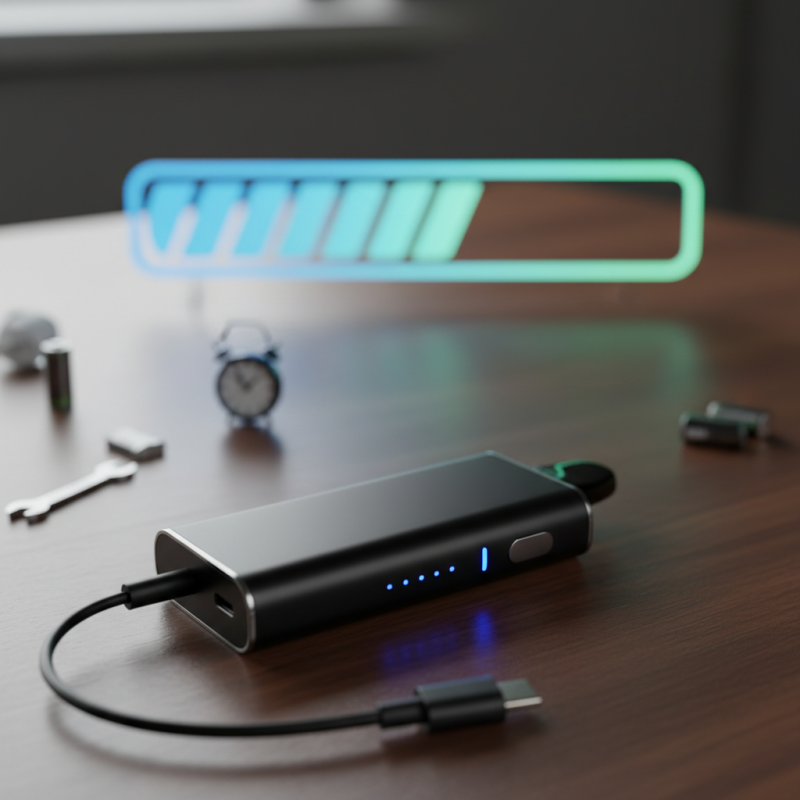
Battery types in vape devices play a crucial role in overall performance. Three common types are lithium-ion, lithium-polymer, and nickel-metal hydride. Lithium-ion batteries are popular due to their high energy density and longer life. They can be recharged multiple times, making them a reliable option. Yet, they can overheat if not used correctly.
Lithium-polymer batteries, on the other hand, offer a lighter design. They are safer and can be shaped to fit various device designs. However, they might not last as long as lithium-ion batteries in heavy use. Users often face the challenge of finding the right balance between size and performance. This can lead to some frustration.
Nickel-metal hydride batteries are less common but still relevant. They can handle high temperatures and are known for their durability. Nevertheless, they typically have a lower energy density. This means they might not power a device as long as others. Many users may need to replace them more often than they anticipate. Understanding these battery types is essential for optimizing vape performance and improving battery life.
Battery life in vape devices can be influenced by several key factors. The type of battery used plays a significant role. Lithium-ion batteries are common, but their capacity and quality can vary. A higher milliampere-hour (mAh) rating generally indicates a longer battery life. However, capacity isn't everything; battery age also affects performance. An older battery may not hold a charge effectively, leading to shorter use times.
Another crucial aspect is the wattage setting used during vaping. Higher wattage levels can drain the battery faster. Users who prefer a stronger hit should find a balance between satisfaction and battery longevity. The resistance of the coil also matters. Lower resistance produces more vapor but consumes more energy. A thoughtful combination of wattage and coil resistance can greatly improve battery life.
Environmental conditions can unexpectedly impact battery performance as well. Extreme temperatures, both hot and cold, can shorten battery life. When placing a device in a pocket or leaving it in a car, consider the temperature changes. Regular maintenance is also essential. Dirty connections can cause inefficiencies, resulting in shortened battery life. Keeping devices clean pays off in the long run.
| Factor | Description | Impact on Battery Life |
|---|---|---|
| Usage Frequency | How often the device is used daily. | Higher usage leads to faster battery depletion. |
| Temperature | Operating temperature of the battery and device. | Extreme temperatures can reduce battery performance. |
| Charging Cycles | Frequency of charging and discharging the battery. | Too many cycles can wear down battery capacity over time. |
| Wattage Settings | Power output settings when vaping. | Higher wattage results in faster battery usage. |
| Airflow Type | Design of the airflow system in the vape. | Open airflow can consume more battery due to increased vapor production. |
| Battery Quality | The manufacturing standard and materials used in the battery. | Higher quality batteries tend to have better longevity. |
Optimizing battery performance in vape devices is crucial for enhancing your overall experience. Several simple techniques can help extend battery life and ensure better output.
One effective tip is to avoid overcharging your device. While it might seem harmless, consistently leaving a vape plugged in can degrade the battery over time. Aim to unplug it once it's fully charged. Regularly cleaning connections can also make a noticeable difference. Dust and debris can create resistance, leading to inefficiencies. Simple maintenance like this can prolong your battery's lifespan.
Additionally, managing your power settings can significantly impact battery life. Lowering wattage can reduce drain, especially during long sessions. Using lower settings not only conserves energy but also can improve the flavor of your vape. Remembering to take breaks between puffs can also help in cooling down the device, which can enhance its efficiency. These small changes may seem trivial, but they compound over time for a considerable boost in performance.
This chart illustrates the various factors that impact battery life in vape devices. Higher battery capacity (in mAh) and optimized discharge rates contribute positively to overall performance, while temperature and usage frequency can decrease battery longevity.
When it comes to maximizing the lifespan of vape batteries, proper charging and maintenance are essential. Research shows that over 60% of battery failures stem from improper charging practices. Regularly checking voltage levels can help reduce risks. Keeping batteries between 3.7V and 4.2V is ideal for longevity. Consistently exceeding this range can lead to quicker degradation and potential hazards.
Additionally, practicing proper storage can influence battery performance. Batteries should be stored in a cool, dry place, away from direct sunlight. High temperatures can accelerate wear. Studies indicate that batteries stored above 30°C can lose up to 10% of their capacity every month. Regular cleaning of battery terminals also helps prevent build-up, which can impair performance.
Charging habits matter too. Using the right charger is critical, as compatibility issues can lead to inefficiencies. Charging at a slower rate, especially in the early stages of battery use, allows for a more robust lifespan. Some users might overlook these factors. Yet, even minor adjustments can yield major improvements in battery performance.
When using vape devices, being aware of your battery's condition is crucial. One clear sign that your vape battery may need replacement is inconsistent performance. If you notice that your device produces less vapor or has a weak flavor, it could indicate a failing battery. You might also experience diminished battery life between charging sessions. If you find yourself recharging more often than before, pay attention.
Another indication is physical signs on the battery itself. Look for swelling, unusual heat, or leakage. These are serious issues that can affect your device's performance and safety. If your battery feels hot to the touch during use, it’s time to replace it. Regular care, like cleaning the terminals, can help maintain battery health. However, neglecting these signs often leads to poorer vaping experiences and can be frustrating.
Moreover, habits play a role in battery longevity. Excessive use or charging practices can shorten battery life. It's important to follow recommended charging times. Overcharging can ruin your battery faster than expected. If you struggle with battery care, consider keeping a backup battery handy. Reflecting on these aspects can help improve your overall vaping experience.
: The three common types are lithium-ion, lithium-polymer, and nickel-metal hydride.
They have high energy density and longer life, and can be recharged multiple times.
They might not last as long as lithium-ion batteries with heavy use.
Look for inconsistent performance, such as less vapor or weak flavor.
Swelling, unusual heat, or leakage are serious signs that require attention.
Excessive use or overcharging can ruin a battery faster and shorten its lifespan.
If hot, it's time to replace it for safety and performance reasons.
Regular cleaning helps maintain battery health, which is important for performance.
Yes, keeping a backup battery handy can be useful if you struggle with battery care.
Neglecting care can lead to poorer vaping experiences and increased frustration.
When exploring how to improve battery life in vape devices, it's essential to understand the various types of batteries used and the factors that can affect their longevity. Key elements include the quality of the battery, usage patterns, and the vape device's settings. To optimize battery performance, users should adopt practices such as using lower wattage settings, avoiding extreme temperatures, and periodically cleaning contacts.
Additionally, adhering to best practices for charging and maintaining vape batteries is crucial. This includes using appropriate chargers, not overcharging, and storing batteries correctly. Recognizing the signs that indicate a battery may need replacement—such as a decrease in performance or physical damage—is also important for safe and efficient vaping. By following these guidelines, vape users can significantly enhance their device's battery life and overall performance.
ERA Vape