What Industries Are Involved in Vape Manufacturing Globally?

Time:2026-06-19 Author:Sienna
0%

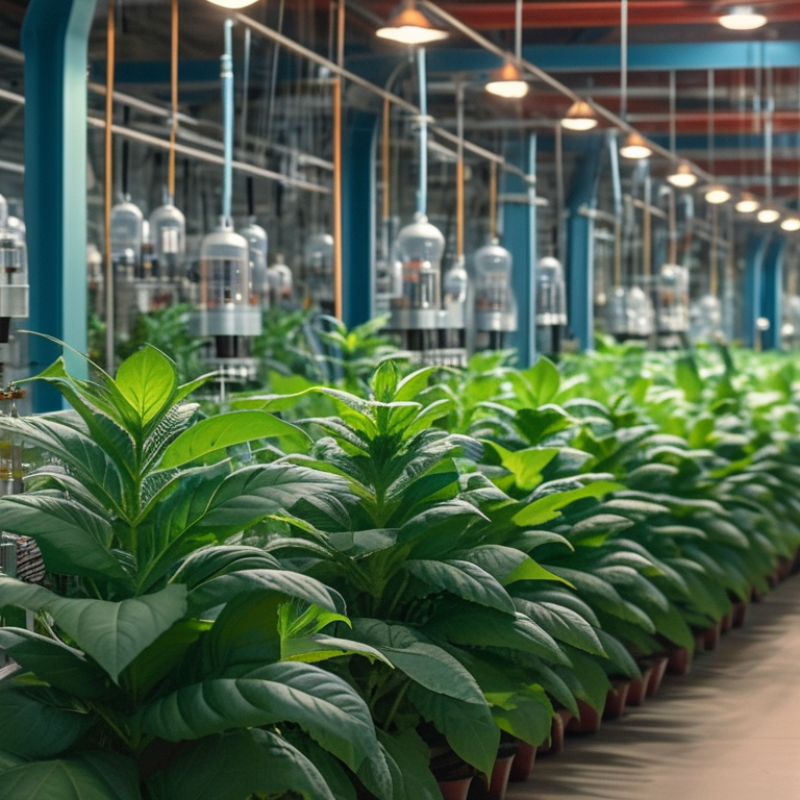
The global vape manufacturing industry encompasses a diverse array of sectors. Understanding "what industries are involved in vape manufacturing" sheds light on the complexity of this market. According to Dr. Emily Carter, a renowned expert in manufacturing processes, "The vape industry relies on technology, agriculture, and chemistry to thrive."

The technology sector plays a critical role. It includes the development of electronic devices and software. Meanwhile, agriculture contributes through the cultivation of tobacco and other plants for e-liquids. Chemistry is vital for formulating flavors and ensuring product safety. Each of these industries not only influences innovations but also addresses regulatory challenges.

However, a disconnect sometimes emerges between these sectors. Collaboration and communication are essential. Professionals in each area may not fully understand the others' needs. This can lead to issues such as product inconsistencies and safety concerns. Finding a balance between these industries is crucial as the vape market continues to evolve.
What Industries Are Involved in Vape Manufacturing Globally?

Global Overview of the Vape Manufacturing Industry

The global vape manufacturing industry has expanded significantly in recent years. Research from the market analysis firm Mordor Intelligence reveals that the industry is projected to grow at a compound annual growth rate (CAGR) of over 20% from 2021 to 2026. Countries such as China, the United States, and the United Kingdom are key players, each possessing unique contributions and challenges.

Vape manufacturing involves several industries, including electronics, pharmaceutical, and packaging sectors. The electronic component industry produces vital parts like batteries and atomizers. According to Grand View Research, the market for vape batteries alone is expected to reach $5 billion by 2025, underscoring its rapid growth. Furthermore, the pharmaceutical industry is involved primarily in producing nicotine-based liquid, which raises questions about safety and regulation. Despite innovations, many consumers express concerns over product quality and transparency.

In terms of packaging, materials such as glass, plastic, and metal are utilized. This intersection of industries reflects a complex supply chain. Many manufacturers face challenges regarding sustainability. A shift towards eco-friendly packaging is not just ideal but necessary. Data suggests that nearly 70% of consumers prefer brands that prioritize sustainability. Balancing profitability with responsible practices remains a point of reflection for industry leaders.

What Industries Are Involved in Vape Manufacturing Globally?

Industry Segment Description Global Market Share (%) Growth Rate (2023-2028, %)
E-Liquid Manufacturing Production of flavored e-liquids using various ingredients. 45 8.5
Device Manufacturing Manufacturing of vape pens, mods, and other devices. 35 7.2
Accessory Production Production of coils, batteries, and other vape accessories. 10 6.0
Retail and Distribution Retailing and distributing vape products to consumers. 5 5.5
Regulatory and Compliance Organizations overseeing compliance with laws and regulations. 5 4.0

Key Players in the Vape Manufacturing Sector

The vape manufacturing sector is diverse and rapidly evolving. A report by Market Research Future indicates that the global vape market is expected to grow significantly, reaching over $50 billion by 2025. This growth is driven by several key industries, including electronics, tobacco, and healthcare.

Prominent manufacturers are often found in electronics, developing innovative vaping devices. These companies focus on technology and design, aiming to enhance user experience. The tobacco industry plays a crucial role, as many traditional tobacco firms expand into vaping. This shift reflects changing consumer preferences and increased demand for alternatives. According to a study by Grand View Research, nearly 30% of vape users have turned to vaping to reduce traditional smoking.

Healthcare stakeholders are also crucial players. They research vaping's health implications and contribute to product regulation. Safety, quality, and transparency remain critical concerns. However, the industry faces challenges such as misinformation and evolving regulations. These factors highlight the need for continuous improvement and adaptation within the sector.

Innovation and Technology in Vape Production

The vape manufacturing landscape is rapidly evolving, driven by innovation and technology. Recent reports indicate that the global vape market is projected to reach over $67 billion by 2027, showcasing a CAGR of about 23.8% from 2020 to 2027. This growth is attributed to advancements in production techniques and the integration of smart technologies in vaping devices.

Manufacturers are focusing on high-quality materials and precise engineering. For instance, temperature control technology is being utilized to enhance user experience. Moreover, the introduction of e-liquid formulations that mimic traditional tobacco flavors reflects a significant innovation effort. A 2022 study revealed that about 65% of consumers prefer customizable vaping options, highlighting a demand for technology-driven solutions.

Tips: When considering the health implications of vaping, always research credible sources for information. Understand the impact of additives in e-liquids. Regulatory bodies worldwide are still catching up with rapid advancements in production, leading to gaps in safety standards that should be addressed by the industry. Always choose materials and products that prioritize consumer safety.

Regulatory Framework Impacting Global Vape Manufacturing

The global vape manufacturing industry is shaped significantly by varying regulatory frameworks. Different countries impose distinct regulations, influencing both production and distribution. For instance, some regions have strict limits on nicotine content. Others enforce stringent labeling requirements. These laws aim to safeguard consumer health while governing manufacturers' practices.

Compliance with these regulations often requires manufacturers to adapt quickly. Failure to meet local standards can lead to severe penalties. This creates a complex landscape, where businesses need to remain agile. Some companies struggle to keep up with changing laws. This inconsistency can affect product availability and market competition.

Regulatory environments can create opportunities but also challenges. In markets with supportive legislation, innovation flourishes. However, in areas with restrictive policies, many manufacturers face hurdles. Companies often find themselves at a crossroads, trying to balance compliance with business growth. A well-informed approach is essential for survival in this ever-evolving industry.

Emerging Markets and Trends in the Vape Industry

The vape industry is witnessing rapid growth, especially in emerging markets. According to a report by Grand View Research, the global vape market size was valued at $12.41 billion in 2022. This market is projected to experience a compound annual growth rate (CAGR) of 28.2% from 2023 to 2030. Such statistics highlight the increasing acceptance of vaping as an alternative to traditional smoking.

Trends point to diverse product offerings. Devices like pod systems and disposables are gaining traction, especially among younger users. A study from Mordor Intelligence indicates that Asia Pacific is anticipated to show the highest growth rate during the forecast period. However, this rapid expansion brings challenges. The vape industry faces scrutiny over health implications. Concerns regarding the long-term effects of vaping are still largely unanswered.

Innovation continues to play a critical role. Manufacturers are investing in research to develop better, safer products. The integration of technology, such as app connectivity, is becoming common. This reflects changing consumer preferences for customization and control. Nonetheless, potential over-regulation could stifle innovation. Balancing consumer interests and safety remains crucial. As new markets emerge, these dynamics will shape the industry's future significantly.

FAQS

: What is driving the growth of the vape market?

: The vape market is growing due to electronics, tobacco, and healthcare industries.

How much is the global vape market expected to grow by 2025?

The global vape market could reach over $50 billion by 2025.

Why are traditional tobacco firms venturing into vaping?

Traditional tobacco firms are expanding into vaping due to changing consumer preferences for alternatives.

What percentage of vape users have turned to vaping to reduce smoking?

Nearly 30% of vape users switched to vaping to help reduce traditional smoking.

What kind of regulations impact the vape manufacturing industry?

Regulations vary by country, affecting nicotine limits and labeling requirements among others.

What challenges do manufacturers face with regulatory compliance?

Manufacturers struggle with changing laws, which can lead to penalties if not met.

How can a supportive regulatory environment affect innovation?

Supportive regulations can foster innovation, enabling companies to develop new products effortlessly.

What are the concerns associated with vaping?

Safety, quality, and transparency are major concerns in the vaping industry today.

Are there consequences for failing to meet local regulatory standards?

Yes, non-compliance can result in severe penalties, affecting business operations.

How do manufacturers balance compliance with business growth?

It requires a well-informed approach to navigate the complexities of evolving regulations.

Conclusion

The global vape manufacturing industry encompasses a diverse array of sectors, highlighting the question, "what industries are involved in vape manufacturing?" Key players in this sector range from large-scale producers of vaping devices to suppliers of e-liquids and flavorings, showcasing a robust supply chain that fuels market growth.

Innovation and technology play crucial roles in the production process, with advancements leading to more efficient manufacturing techniques and enhanced user experiences. Additionally, the regulatory framework significantly impacts the industry, as varying laws across countries shape the practices and compliance requirements for manufacturers. Emerging markets present new opportunities, where trends such as customization and eco-friendly products are reshaping consumer preferences and driving industry evolution.

Sienna

Sienna

Sienna is a skilled marketing professional with a deep expertise in our company’s core products and services. With a passion for innovation and detail, she plays a pivotal role in crafting insightful blog posts that not only highlight the unique features of our offerings but also provide valuable......