Vaping has become a popular alternative to smoking, but many users overlook the risks involved. This article explores what are the risks of improper vape usage. Understanding these risks is essential for maintaining health and safety.
Many people believe that vaping is harmless. However, improper use can lead to serious issues. From faulty devices to incorrect e-liquid ratios, users often face unexpected dangers. For instance, overusing vape pens can increase exposure to harmful chemicals.
Additionally, not following safety guidelines can have severe consequences. Users might experience addiction or respiratory issues. Uninformed choices can lead to accidents too. Each puff carries potential risks, highlighting the need for responsible usage. Awareness and education are crucial for anyone considering vaping.
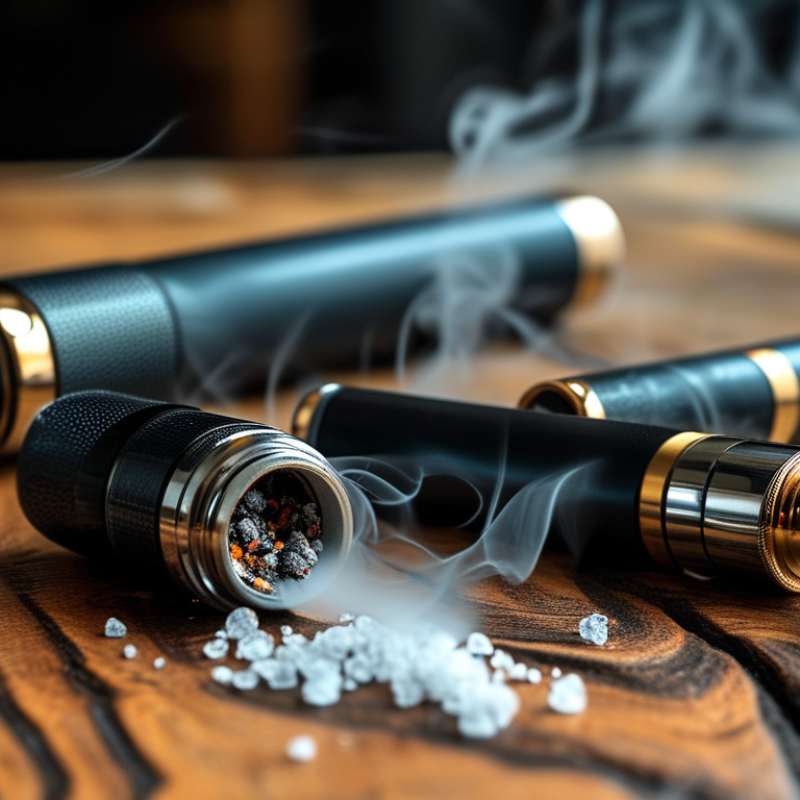
Vaping has gained popularity, but improper usage can lead to serious health risks. One major issue is the unknown effects of inhaling substances that may not be safe. Poor vape practices can harm the lungs and increase vulnerability to infections. Users often overlook the importance of keeping devices clean, which can lead to bacteria buildup. The device components can also degrade over time, potentially causing harmful exposure.
When using a vape, consider your surroundings. Avoid vaping in enclosed spaces to prevent secondhand exposure to others. This practice protects both yourself and those around you. Always ensure the vape tank is filled with the correct liquid. Using the wrong liquid can lead to dangerous reactions in the body.
Monitoring the battery is crucial for safety. Overheated batteries can cause injuries and malfunction. Take time to understand your device's settings and battery life. Regular maintenance checks can prevent accidents and ensure a better vaping experience. Remember, being aware and informed about vaping practices is key to your health.
| Risk Factor | Description | Potential Health Impact |
|---|---|---|
| Nicotine Overdose | Inhalation of high levels of nicotine can lead to symptoms like nausea, dizziness, and increased heart rate. | Headaches, increased heart rate, possible hospitalization in severe cases. |
| Lung Damage | Improper usage can lead to lipoid pneumonia or damage from inhaling solvents. | Chronic respiratory issues, decreased lung function. |
| Battery Risks | Improper handling and charging of vape batteries can cause fires or explosions. | Severe burns, property damage, potential injuries. |
| Infection | Using shared devices can spread pathogens, leading to infections. | Respiratory infections, increased risk of illness. |
| Mental Health Effects | Nicotine and other substances can negatively affect mood and anxiety levels. | Increased anxiety, mood swings, and dependence. |
: Improper vape usage can lead to lung damage, cough, and shortness of breath. These may escalate into serious conditions.
Many vape products contain high nicotine levels, leading to dependency. Users may need more frequent doses, affecting daily life.
Unregulated or homemade vape liquids can contain harmful contaminants. This may cause mysterious illnesses and long-term health issues.
Regulatory oversight can reduce vape misuse, especially among minors. Effective regulations ensure safer access to products.
Many vape products lack clear ingredient lists. This lack of transparency can lead to unintended consumption of harmful substances.
Educational programs can significantly reduce vaping rates. When teens understand the risks, they are less likely to misuse products.
Sourcing from unregulated suppliers can increase health risks. Contaminated products could lead to serious health complications.
Yes, addiction may lead to frequent usage, interfering with work or social interactions. Users should reflect on their habits.
Strict rules on labeling and product access can protect consumers. Regulations and education together create a safer environment.
Awareness about health risks is crucial. Without it, young users may continue to misuse vaping products, harming their health.
The article titled "5 Risks of Improper Vape Usage You Need to Know" delves into the significant health consequences of poor vaping practices. It highlights that improper vape usage can lead to various health risks, including respiratory issues, cardiovascular problems, and exposure to harmful chemicals. A crucial aspect discussed is the importance of e-liquid quality, as inferior products can exacerbate these health risks. Additionally, the psychological implications of vaping misuse, such as addiction and anxiety, are explored, emphasizing the need for awareness in safe vaping practices.
Furthermore, the article addresses the critical role of regulatory oversight in minimizing the potential for vape misuse. It stresses that understanding what are the risks of improper vape usage is vital for consumers to make informed choices and prioritize their health. By raising awareness about these issues, the article aims to promote safer vaping habits and encourage responsible use among individuals.

 ERA Vape