Top Tips on How to Store Vape Devices Safely

Time:2026-10-29 Author:Henry
0%

A vape device may look small, but its rechargeable battery deserves careful storage. Heat, moisture, and loose metal objects can create avoidable risks. A hot car, a damp bathroom shelf, or keys pressed against a device are poor storage choices. Keep the device in a cool, dry place, away from direct sunlight and children. Simple habits matter.

This guide explains how to store vape devices safely, including where to keep them, how to handle charging, and what to check before putting a device away. It also covers practical details: use a stable surface, keep devices away from water, and follow the manufacturer’s instructions for the specific model. Batteries are not all identical. That part is easy to overlook.

No source material was supplied to verify a named expert’s exact words, so I won’t invent a quotation or attach one to a real person. Reliable safety advice should be traceable. Treat any device with a swollen battery, unusual heat, or visible damage as a warning sign, and consult the manufacturer’s guidance rather than improvising. A tidy drawer is not automatically a safe one. The aim here is straightforward: make everyday storage safer through clear, repeatable steps, while recognizing that no short checklist can replace product-specific instructions.
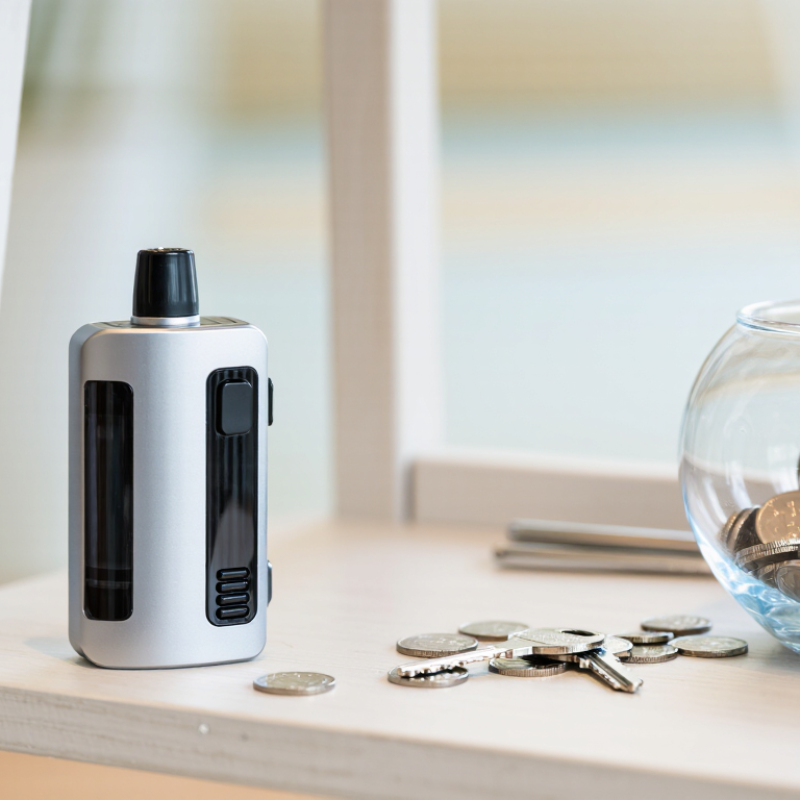
Top Tips on How to Store Vape Devices Safely

Understand the Risks of Improper Vape Device Storage

Improper storage can turn a small rechargeable device into a burn or fire hazard. The risk is not theoretical. The U.S. Fire Administration’s 2017 report, Electronic Cigarette Fires and Explosions in the United States, recorded 195 incidents from 2009 to 2016, including 133 injuries and 38 severe injuries. The report examined fires and explosions, not storage alone, but its findings show why careful battery handling matters.

Heat and pressure matter. Don’t leave a device in a sunlit car, near a heater, or under heavy items. A hot dashboard can expose it to extreme heat, while keys or coins may contact battery terminals. Store the device switched off in a cool, dry place, away from metal objects. Use a protective case when carrying it. Small details count.

Check the device before putting it away. If its casing is cracked, its battery is swollen, or it feels unusually hot, stop using it and follow the manufacturer’s disposal guidance. Don’t improvise repairs. Keep devices and spare batteries away from children and pets. “Out of sight” can feel safe, but it isn’t always. Storage instructions vary, so read the device manual rather than relying on habit.

Power Off and Prepare the Device Before Storage

Before storing a vape device, switch it off completely rather than relying on its screen going dark. Use the power-button method described in the device’s instructions, then check that no light or display remains. If it has a lock setting, engage it to reduce accidental activation. Disconnect the charging cable, and never put the device away while it is charging or still warm. Let it cool on a clear, dry surface.

Wipe the exterior with a soft, dry cloth, especially around the mouthpiece and charging port. Do not open the casing or try to remove a built-in battery. If the device has a detachable pod or tank, remove it only if the instructions recommend doing so, and keep it upright in a leak-resistant container. A small detail matters: loose keys can scratch the device or press its button in a bag. Store it away from heat, direct sunlight, moisture, and children or pets. A drawer may seem convenient, but a damp bathroom cabinet is a poor choice. Check the manual when unsure; device designs differ, and a quick guess is not always a safe one.

Choose a Cool, Dry, and Secure Storage Location

Top Tips on How to Store Vape Devices Safely

Choose a Cool, Dry, and Secure Storage Location

A stable indoor spot helps protect a vape device from heat, moisture, and accidental damage. Choose a cool, dry place away from windows, radiators, and direct sunlight. A bedroom drawer or high closet shelf can work well, provided the area stays dry and is out of reach of children and pets. Avoid bathrooms and hot cars; temperatures there can change quickly. Keep it simple.

Switch the device off before putting it away, and keep it separate from keys, coins, or other metal objects that could contact its battery terminals. Don’t leave it charging in storage. Follow the device maker’s instructions, especially for battery care, since designs and recommendations can differ. Check the device occasionally for leaks, swelling, cracks, or unusual smells. If anything seems damaged, stop using it and follow local guidance for safe battery disposal. A neat, dry drawer may feel safe, but it is not a substitute for checking the device itself.

Store Batteries and E-Liquids Safely

Store batteries with care, even when they are not in use. Keep spare cells in a dedicated plastic case, not loose in a pocket or drawer with keys and coins. Metal contact can cause a short circuit. Keep batteries away from direct sunlight, heaters, and very hot or cold places. A cool, dry cupboard is usually more suitable. Check each battery for dents, tears, or unusual swelling before use. If the outer wrap is damaged, stop using it and follow the device maker’s disposal guidance. I used to think a small tear was harmless. It isn’t worth guessing.

Keep e-liquid upright in its original, clearly labeled container, with the cap tightly closed. Store it in a cool, dry place away from children and pets. A high shelf is helpful, but a locked cabinet is better. Sunlit windowsills can warm bottles and may affect the liquid, so choose a shaded spot instead. Wipe up leaks promptly, and wash any liquid from skin with soap and water. If it gets in someone’s eyes, rinse gently with clean water and seek medical advice. Keep bottles separate from food and drinks.

A simple storage routine helps: check caps, look for leaks, and make sure batteries are protected before putting supplies away. It takes a minute. I still forget sometimes. A small storage box can make the safer choice easier.

Top Tips on How to Store Vape Devices Safely - Store Batteries and E-Liquids Safely
Item Safe Storage Practice Avoid Why It Matters
Vape device Turn the device off when it is not in use. Store it in a cool, dry place, away from direct sunlight and heat. Leaving it in a hot car, near a heater, or where it may be crushed or damaged. Heat and physical damage can harm the device or its battery.
Removable batteries Keep batteries in a protective battery case and follow the device and battery manufacturers’ storage instructions. Carrying loose batteries in a pocket or bag with keys, coins, or other metal objects. Metal objects can bridge battery terminals and cause a short circuit.
Battery condition Check batteries and their wraps for damage. Stop using a battery that is dented, leaking, unusually hot, or has a torn wrap. Using, charging, or storing a visibly damaged battery. Damaged lithium-ion batteries may present a fire or injury hazard.
Charging Use the charger recommended for the device and charge it on a clear, stable surface while following the manufacturer’s instructions. Charging near flammable materials or using a damaged device or cable. Careful charging helps reduce the risk of overheating and fire.
E-liquid bottles Keep e-liquid in its original, clearly labeled, child-resistant container with the cap securely closed. Transferring e-liquid into drink, food, or other unmarked containers. Clear labeling and secure closures help prevent accidental ingestion or exposure.
E-liquid storage location Store bottles upright in a cool, dry place, away from direct sunlight and sources of heat. Leaving bottles in direct sun, near heat, or where they can leak or be knocked over. Suitable storage helps protect the contents and reduces the chance of spills.
Children and pets Keep devices, batteries, and e-liquids locked away and out of sight and reach of children and pets. Leaving e-liquid or devices on counters, bedside tables, or in accessible bags. E-liquid can be harmful if swallowed or absorbed through the skin.
Spills and disposal Clean spills promptly according to the product label, and dispose of batteries and e-liquid as directed by local guidance. Leaving leaked liquid within reach or putting batteries in fire. Prompt cleanup limits accidental contact; batteries can catch fire if exposed to fire or improper disposal.

Inspect Stored Devices Before Reuse

Inspect Stored Devices Before Reuse

Before using a stored vape device, inspect it in bright light. Check the casing for cracks, dents, or loose parts. Look for a swollen battery, unusual odors, corrosion, or signs of moisture. Any of these can signal damage. Do not use or charge a device that appears damaged; follow its manufacturer’s instructions for safe handling.

Check the charging port for lint or debris, but never probe it with metal tools. Make sure the device and your hands are fully dry. If a removable pod or tank was stored with the device, inspect it for leaks, residue, or damaged seals. Replace any part that looks compromised. Storage does not prevent wear, and a quick glance can miss small problems.

If everything looks normal, use only the charger recommended for the device and stay nearby while it charges. Stop if it becomes unusually hot, smells odd, or behaves unpredictably. Don’t take the battery apart or try to repair it yourself. It is easy to overlook a tiny crack, especially in dim light; I would rather check twice than assume a device is fine. For persistent concerns, ask a qualified service professional or follow local battery-recycling guidance.

FAQS

How should spare batteries be stored?

Keep each battery in a dedicated plastic case. Don’t leave cells loose beside keys or coins. Metal can cause a short circuit.

Where is a suitable place to store batteries?

Choose a cool, dry cupboard away from heaters, sunlight, and extreme temperatures. A drawer near a radiator is not ideal.

What should I check before using a stored battery?

Look for dents, torn wrapping, or swelling. If the outer wrap is damaged, stop using the battery and follow disposal guidance.

How should e-liquid bottles be stored?

Keep bottles upright in their original, clearly labeled containers with caps tightly closed. Store them in a shaded place, away from children, pets, food, and drinks.

What should I do if e-liquid leaks?

Wipe up the spill promptly. Wash liquid from skin with soap and water. If it enters someone’s eyes, rinse gently with clean water and seek medical advice.

What should I inspect on a device before using it again?

Check the casing in bright light for cracks, dents, or loose parts. Look for swelling, corrosion, moisture, leaks, or unusual odors. Small damage can be easy to miss.

Can I charge a device that looks damaged?

No. Don’t use or charge a device that appears damaged. Follow its handling instructions or ask a qualified service professional.

How can I check a charging port safely?

Look for lint or debris, but don’t probe the port with metal tools. Make sure the device and your hands are dry. I sometimes forget that part.

What should I do while a device is charging?

Use the recommended charger and stay nearby. Stop charging if the device gets unusually hot, smells odd, or behaves unpredictably. Better to check twice.

Conclusion

Knowing how to store vape devices safely helps reduce the risk of accidental activation, leaks, damage, and battery-related hazards. Before putting a device away, switch it off, disconnect any removable parts as appropriate, and make sure it is clean and dry. Store it in a cool, dry place away from direct sunlight, heat sources, moisture, and areas where it could be knocked over or reached by children or pets.

Keep batteries protected from metal objects and avoid storing damaged or swollen batteries. E-liquids should remain tightly sealed and upright, in a secure location away from heat and children or pets. When you take a device out of storage, inspect it for cracks, leaks, corrosion, or other signs of damage before use. If anything appears damaged or unusual, do not use the device until it has been checked or safely replaced.

Henry

Henry

Henry is a dedicated marketing professional with a profound expertise in the company's offerings. With years of experience in the industry, he possesses an impressive understanding of the market dynamics and consumer behaviors that drive success. Henry is committed to sharing his insights through......