Top 10 Ways to Troubleshoot Common Vape Device Issues?

Time:2026-06-16 Author:Sienna
0%

In the rapidly evolving vape industry, troubleshooting device issues can be daunting. According to a report by IBISWorld, the vaping market is projected to reach $19 billion by 2026. With such growth, understanding how to troubleshoot vape device problems becomes essential for users. Renowned vape expert Dr. Emily Carter suggests, "Understanding your device is key to enhancing your vaping experience."

Devices can often present frustrating challenges. Issues like poor performance or leaking are common. E-liquids can change consistency, leading to malfunction. Regular maintenance is crucial. A study by the Vaping Technology Association indicates that 45% of users experience issues within the first three months of purchase. These insights highlight the importance of knowing how to troubleshoot vape device problems effectively.

As users navigate their journey, they must remember that not all issues are immediately resolvable. Sometimes, user habits may contribute to the problem. Regular education on device care and functions is necessary. Embracing this learning can lead to more enjoyable vaping experiences.
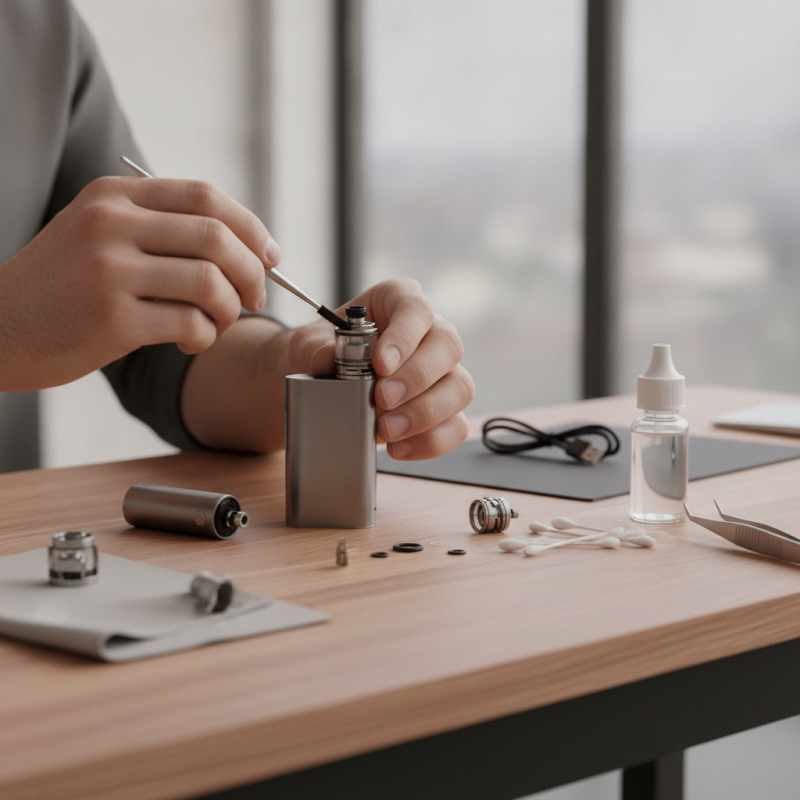
Top 10 Ways to Troubleshoot Common Vape Device Issues?

Identify Common Vape Device Problems

Vaping can be an enjoyable experience, but sometimes issues arise with your device. Identifying these common problems is crucial for a smooth vape session. One problem many users encounter is e-liquid leakage. This can be frustrating and messy. Check the seals and ensure they are tight. If they seem worn out, consider replacing them.

Another frequent problem is a burnt taste. This often stems from a dry coil. Inspect the wick; it may need more e-liquid. If your device produces no vapor, keep an eye on the battery. A low battery often leads to performance problems. Charging it fully might just solve the issue.

Some users experience inconsistent hits. This can result from a clogged airflow. Regular cleaning can prevent buildup. Moreover, if the device is making strange noises, it might indicate a more significant issue. Take the time to examine the connections and components carefully. Don't be afraid to troubleshoot and learn from the experience.

Check Battery Functionality and Connections

When troubleshooting vape device issues, one of the first steps is to check battery functionality and connections. A recent industry report highlighted that nearly 30% of device malfunctions stem from battery-related problems. Ensuring proper contact between the battery and the device is essential. Over time, connections can corrode or become loose, leading to unreliable performance.

Regularly examining the battery for any signs of wear is crucial. A standard lithium-ion battery can last from 300 to 500 charge cycles, according to data from battery research groups. However, signs of swelling or discoloration indicate it may be time for replacement. Even minor issues like debris in the battery compartment can cause significant disruptions.

Testing the battery with a multimeter can also provide insights into its health. If the voltage drops below the recommended level, performance diminishes significantly, affecting overall user experience. Keeping connections clean and tight is often overlooked but can save you the frustration of unexpected drops in vapor production. Taking these practical steps greatly enhances the vaping experience for enthusiasts and casual users alike.

Top 10 Ways to Troubleshoot Common Vape Device Issues

Inspect Coils and Wicking Materials

Inspecting coils and wicking materials is crucial for maintaining your vape device. Coils are the heart of your device, where the heating and vaporization occur. A worn-out or dirty coil can lead to poor performance. Look for discoloration or residue buildup. Replace any coil that appears burnt or clogged. Keeping the coil clean ensures you enjoy consistent flavor and vapor production.

Wicking materials play a vital role in drawing e-liquid to the coil. If the wick is dry, it can scorch quickly, creating an unpleasant taste. Check for sufficient saturation before you start vaping. Over time, wicking materials can degrade or tear, so inspect them regularly. A frayed wick can lead to leaks or dry hits. Maintaining both coils and wicking materials is essential for a satisfying experience.

However, this process can be tedious. You may need to experiment with different wicking techniques. Sometimes, you might find it hard to achieve optimal saturation. Don't be discouraged if it takes time to get it right. Overcoming these challenges will enhance your skills and improve your overall vaping experience.

Evaluate E-Liquid Quality and Compatibility

Evaluating e-liquid quality and compatibility is crucial for a satisfying vape experience. Poor quality e-liquids may lead to device malfunction or undesirable flavors. Start by checking the ingredients. High-quality liquids use food-grade ingredients and are often transparent about their composition. Look for products that disclose their nicotine source and flavoring agents. This transparency indicates reliability.

Tip: Always select e-liquids from reputable sources. User reviews can highlight potential issues with a specific brand or flavor. If a certain e-liquid causes leaking or clogging, it might not suit your device. Compatibility is vital. Not every liquid works with every device. Some high-VG e-liquids may require sub-ohm setups for optimal performance.

Incompatible liquids might lead to burnt hits or a harsh throat hit. You may need to adjust your coil resistance or wattage for different liquids. It's essential to experiment but be cautious. Trust your instincts if a flavor seems off or if it doesn't perform well. A little bit of reflection can help you pinpoint the cause of ongoing issues.

Clean and Maintain Your Vape Device Regularly

Cleaning and maintaining your vape device is crucial for optimal performance. A dirty device can lead to poor flavor and diminished vapor production. Start by disassembling your device. Remove the tank and clean it thoroughly with warm water. Pay special attention to the coil and wicking material, as residue can build up there. Regular cleaning can prevent many common issues.

Don't forget to replace your coils periodically. A worn-out coil can give a burnt taste and affect your vaping experience. Check for leaks as well, as they can indicate a need for maintenance. Use a cotton swab moistened with cleaning solution to get into hard-to-reach areas. A little attention goes a long way in keeping your vape device performing at its best.

Make it a habit to clean your device at least once a week. Setting a schedule can help you remember. Even if your device seems fine, a simple clean can reveal unnoticed issues. Regular maintenance not only extends the life of your device, but it also enhances the overall enjoyment of the vaping experience.

FAQS

: Why is inspecting coils important?

: Coils are essential for vaping. Worn-out coils can lead to poor flavor and vapor.

What signs indicate a coil needs replacing?

Look for discoloration or residue buildup. A burnt or clogged coil needs to be changed.

How do wicking materials affect vaping?

Wicks draw e-liquid to the coil. If dry, they can create unpleasant tastes from scorching.

What should I check for in wicking materials?

Check for saturation and any signs of degradation. A frayed wick can cause leaks.

How often should I clean my vape device?

Clean at least once a week. Regular cleaning prevents residue buildup and maintains flavor.

What is the best way to clean the vape tank?

Disassemble your device. Use warm water and pay attention to coils and wicking materials.

Can poor maintenance affect my vaping experience?

Yes, a dirty device can lead to diminished vapor and flavor. Regular maintenance is essential.

What should I do if I experience dry hits?

Check wick saturation. An insufficiently wet wick can lead to dry hits and an unpleasant experience.

Is it normal for maintenance to take time?

Yes, you may need to experiment. Don't be discouraged; it's part of improving your skills.

How can I remember to maintain my device?

Set a cleaning schedule. Even if it seems fine, regular checks can reveal unnoticed issues.

Conclusion

In the quest to understand how to troubleshoot vape device problems, it's essential to start by identifying common issues that users may face. From battery malfunctions to coil and wicking material failures, pinpointing the specific problem can make the troubleshooting process more effective. Checking the battery functionality and ensuring secure connections can often resolve power-related issues.

Additionally, inspecting coils and wicking materials is crucial, as worn or damaged components can lead to poor performance. It's also important to evaluate the quality and compatibility of your e-liquid, as these factors can significantly affect the vaping experience. Regular cleaning and maintenance of your vape device will further enhance its longevity and reliability, helping you avoid common pitfalls in your vaping journey.

Sienna

Sienna

Sienna is a skilled marketing professional with a deep expertise in our company’s core products and services. With a passion for innovation and detail, she plays a pivotal role in crafting insightful blog posts that not only highlight the unique features of our offerings but also provide valuable......