Understanding vape component lifespan is less about finding one fixed number and more about observing how each part performs over time. The key question is: what is the lifespan of vape components? Batteries, coils, pods, tanks, seals, and charging ports age differently. A coil may develop a burnt taste within days, while a well-maintained battery can remain useful for many months. Usage frequency, liquid composition, charging habits, heat, and storage conditions all influence these changes.
In practice, small details often provide the clearest warning signs. A battery that becomes unusually hot, swells, leaks, or loses power quickly should not be used. A coil may need replacement when vapor production drops, flavor becomes harsh, or the wick looks dark and dry. Pods can show condensation around the mouthpiece, while seals may harden after repeated exposure to heat. Manufacturer instructions and guidance from recognized safety organizations should remain the main reference points.
There is no perfect timetable. A neat replacement schedule sounds helpful, but it can mislead people with different habits. This guide will compare typical service ranges, visible wear, and safer maintenance practices for 2026. It will also separate normal aging from possible defects. Some estimates remain uncertain. That matters. Careful inspection is more reliable than relying on a calendar alone, especially when a component shows physical damage or unexpected behavior.
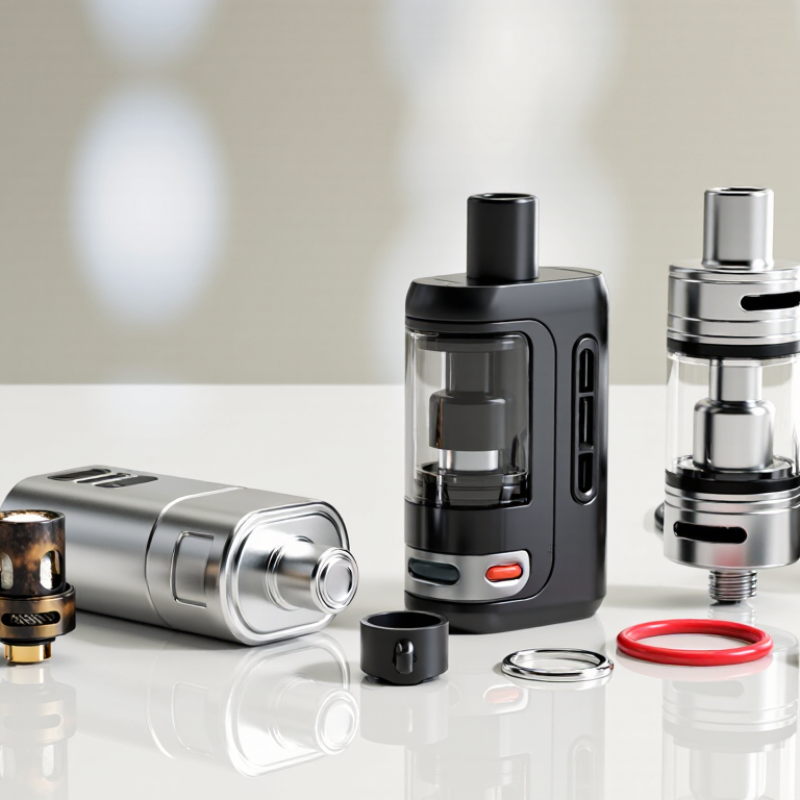
How to Know the Lifespan of Vape Components in 2026?
Vape Component Lifespan: What It Means and Why It Matters
A component’s lifespan is the period it works reliably before wear affects performance or safety. It is not one fixed countdown for every device. A coil may produce a burnt taste or less vapor as its wick collects residue. A battery may hold less charge over time. Small changes matter.
Battery University’s technical review BU-808 reports typical lithium-ion battery life of about 300–500 full charge cycles. This is general cell data, not a vape-specific lifespan test. Not a promise. Heat, frequent deep discharges, and long storage can all affect battery aging. The distinction matters: a fading coil and a damaged battery need different responses. If a battery swells, leaks, or becomes unusually hot, stop using the device and follow local battery-disposal guidance. Keep a simple record of replacement dates and charging changes. It may reveal patterns, though personal notes cannot replace controlled testing.
How to Know the Lifespan of Vape Components in 2026?
Identifying each component makes wear easier to recognize. The coil heats the liquid and usually shows wear first. A burnt taste, darker residue, or weaker vapor can signal coil fatigue. The wick may look dry or stained. Do not continue using it if burning persists.
The pod or tank holds the liquid, while seals prevent leaks. Inspect the mouthpiece, base, and connection area for cracks, sticky residue, or loose fittings. Gurgling often suggests flooding, while repeated leaks may indicate damaged seals. Airflow openings can collect dust and residue. Clean them gently with a dry cotton swab.
Small changes matter. The battery should charge normally and remain cool during use. Swelling, unusual heat, damaged wrapping, or a sharp chemical smell requires immediate caution. Stop using the device and follow the safety instructions supplied with it. Battery life also declines gradually, so shorter operating time can be an early sign. In 2026, component designs still vary widely, and stated lifespans are only estimates. No checklist is perfect. I would record usage, inspect parts weekly, and compare changes over time rather than trust one symptom. Even experienced users can mistake a dirty connection for a failing coil.
Typical service life varies with power level, liquid composition, charging habits, moisture, and daily use. The chart shows practical, brand-neutral estimates for commonly replaced vape components.
Reference assumption: moderate daily use. Coil and pod estimates are normally measured in days, while electrical and structural components can last many months. Actual replacement timing depends on usage and maintenance.
A component’s lifespan depends on usage, materials, and device design. A frequently used heating coil may last several days to two weeks. Light use can extend that period. Thick residue, burnt taste, or weaker vapor often signals wear. These signs matter more than a fixed calendar date.
Battery life is usually measured through charge cycles, not months. A lithium battery may provide roughly 300 to 500 cycles, but heat and poor charging habits can shorten that range. Metal tanks generally outlast plastic parts, while seals and mouthpieces may become brittle sooner. I once judged a device by appearance alone. That was a mistake. Internal wear is not always visible. Follow the device maker’s instructions, and stop using any battery that swells, leaks, overheats, or becomes damaged.
Tips: Keep a simple usage record. Note charging frequency, coil changes, leaks, and flavor changes. Inspect seals weekly and clean only as directed. Do not mix incompatible parts or use damaged accessories. Lifespan estimates remain imperfect because puff length, liquid composition, storage temperature, and maintenance vary widely. When performance changes suddenly, replace the affected component rather than forcing it to continue. Dispose of batteries and electronic parts through approved local recycling services.
How to Know the Lifespan of Vape Components in 2026?
A vape component rarely fails on a fixed date. Usage, charging habits, liquid residue, and storage temperature matter more than the calendar. The 2024 Office for Health Improvement and Disparities evidence review describes three core parts: a battery, heating element, and liquid delivery system. Each shows different warning signs.
A burnt taste, weak vapor, or dark residue around the coil usually means cleaning or replacement is due. Persistent leaking suggests worn seals, a damaged tank, or poor assembly. Do not keep using it. A battery that becomes unusually hot, swells, smells strange, or charges irregularly needs immediate removal from service. Never open or repair a built-in lithium battery yourself. UL Solutions and IEC 62133-2 safety guidance both stress protection against overheating, short circuits, and physical damage. The U.S. Fire Administration has also linked damaged lithium-ion batteries with serious fire risks, although its incident data covers many consumer devices, not only vapes.
Tips: Wipe contacts with a dry cotton swab. Check the mouthpiece weekly. Replace coils when taste changes, not only when vapor disappears. Keep charging surfaces cool and visible. Avoid overnight charging.
A practical inspection takes two minutes. It can prevent weeks of guessing. Still, lifespan estimates remain imperfect. A heavily used component may fail early, while a lightly used one can last much longer. If damage is unclear, replacement is safer than experimental repair.
| Vape Component | Typical Service Life* | Clean When You Notice | Replace When You Notice | Repair or Safety Action |
|---|---|---|---|---|
| Coil and Wick | About 1–3 weeks, depending on e-liquid sweetness, power level, and daily use | Residue, darkened e-liquid, reduced airflow, or a dirty flavor without a burnt taste | Persistent burnt taste, weak vapor, leaking, gurgling, or a sharp drop in flavor after priming | Do not attempt to rebuild a sealed or non-rebuildable coil. Replace it and prime the new coil before use. |
| Refillable Pod or Cartridge | Usually 1–4 weeks; some reusable pods last several months with careful handling | Condensation, e-liquid residue, sticky contacts, or a mild lingering flavor | Cracks, persistent leaks, loose mouthpiece, distorted seals, or repeated poor coil contact | Clean only when the pod is designed to be refillable. Replace damaged or non-serviceable pods. |
| Glass Tank or Chamber | Several months to multiple years if not dropped or exposed to damaging liquids | E-liquid film, dust, or a flavor retained after changing e-liquid | Any crack, chip, sharp edge, persistent leak, or glass that no longer seals correctly | Replace cracked glass immediately. Do not use adhesive or continue using a leaking tank. |
| O-Rings and Silicone Seals | Approximately 3–12 months, depending on heat, cleaning, and handling | E-liquid residue around joints, threads, or the base of the tank | Flattening, stretching, tears, hardening, discoloration, or leaks after cleaning | Replace with the correct size and material. Avoid petroleum-based lubricants that may damage seals. |
| Mouthpiece or Drip Tip | Many months to several years, depending on material and hygiene | At least weekly, and whenever residue, dust, or condensation is visible | Cracks, sharp edges, permanent odor, discoloration that cannot be cleaned, or a loose fit | Wash removable parts with warm water and dry completely before reassembly. |
| Battery | About 300–500 full charge cycles for many lithium-ion cells; actual life varies | Do not wash, open, or puncture the battery. Keep contacts dry and free of residue. | Rapid capacity loss, unusual heat, swelling, damaged wrapping, corrosion, or unexpected shutdowns | Stop using and charging a damaged or swollen battery. Replace it through an appropriate battery-recycling route; never repair it yourself. |
| Charging Port and Cable Connection | Often 1–3 years, depending on insertion cycles, dust, moisture, and cable strain | Lint or dust is visible, or charging is interrupted by debris without physical damage | Loose connection, corrosion, bent contacts, repeated charging failure, or overheating | Disconnect power before gentle dry cleaning. Do not insert metal tools or use a wet port. Seek qualified service or replace the device if the port is damaged. |
| Airflow Control Ring or Slider | Approximately 6–24 months, depending on residue and mechanical wear | Sticky movement, condensation, or visible e-liquid around the airflow openings | Cracks, a permanently loose ring, blocked airflow, or adjustment that no longer holds | Clean the exterior and accessible openings only. Replace the part or device if internal damage is suspected. |
| Device Body and Internal Electronics | Commonly 1–3 years, but use, moisture, and impact can shorten service life | Surface dust or e-liquid residue around buttons and connection areas | Random firing, repeated error messages, severe overheating, liquid intrusion, or a damaged housing | Do not open or attempt board-level repairs. Stop using the device and obtain qualified service or replace it. |
| Disposable Vape Unit | Until the e-liquid is depleted or the integrated battery reaches end of life | Generally not designed for cleaning, refilling, charging, or component replacement | Burnt taste, no vapor, flashing indicator, leaking, damaged casing, or abnormal heat | Do not open or refill it. Stop using a damaged unit and dispose of it through an approved battery or electronic-waste collection program. |
*Service-life estimates are typical ranges, not guarantees. Actual lifespan depends on usage frequency, power settings, e-liquid composition, storage temperature, charging habits, cleaning practices, and physical impact.
How to Know the Lifespan of Vape Components in 2026?
Component life is easier to track when you record real usage, not just calendar dates. Note each refill, charging cycle, and coil change in a simple phone spreadsheet. A coil may show a burnt taste, darker liquid, or weaker vapor before its expected service period ends. A battery may need attention when charging takes longer, heating feels unusual, or the casing becomes damaged. Stop using damaged parts. Small changes matter.
Tips
Check the device before every use. Keep charging contacts dry and clean. Avoid leaving a battery in direct sunlight or extreme heat. Replace parts according to the manufacturer’s instructions, and follow local disposal rules. My own usage logs are not perfect, but they reveal patterns after several weeks.
Long-term performance depends on consistent handling. Store components in a cool, dry place away from keys and loose metal objects. Do not force a connector that feels tight. Clean residue with a dry, lint-free cloth, then inspect the threads and seals. If performance drops suddenly, test one component at a time instead of replacing everything. This takes longer. It also prevents incorrect guesses. Track the date, symptom, and replacement reason, because memory often makes older parts seem better than they were. Use the device only where permitted, and follow current safety guidance.
It is the period when a component works reliably before wear affects performance or safety. It is not a fixed countdown.
Frequent use may make a coil last several days to two weeks. Light use can extend this period. Usage varies.
A burnt taste, darker liquid, thick residue, or weaker vapor may indicate coil wear. Do not force it further.
General data suggests about 300 to 500 full cycles. This is not a vape-specific promise. Heat can shorten battery life.
Stop immediately if it swells, leaks, overheats, or has casing damage. Do not keep testing it. Follow local disposal guidance.
Record refill dates, charging frequency, coil changes, leaks, and flavor changes. A simple phone spreadsheet works well. Memory is unreliable.
Store them in a cool, dry place away from keys and loose metal objects. Keep charging contacts dry. Check seals weekly.
Test one component at a time before replacing everything. This takes longer. It can prevent incorrect guesses and unnecessary replacement.
Understanding what is the lifespan of vape components helps users plan maintenance, reduce waste, and keep a device working consistently. Each part ages differently: batteries gradually lose capacity, coils collect residue and produce less flavor, pods or tanks may develop leaks, and seals can harden over time. Lifespan depends on usage frequency, heat levels, material quality, cleaning habits, and device design, so there is no single replacement schedule for every user.
Regular inspection can reveal when a component needs cleaning, replacement, or professional repair. Changes in vapor production, unusual taste, reduced battery performance, visible damage, leakage, or inconsistent operation are important warning signs. To track component life, record installation dates, cleaning sessions, charging behavior, and performance changes. Using suitable settings, keeping connections clean and dry, storing the device away from extreme temperatures, and replacing worn parts promptly can support safer, more reliable long-term performance.

ERA Vape