ERA Vape
Leak-Resistant Piercing Tool and Cotton Bundle for Vape Juices
Inquire Details
Explore our foundational equipment, custom vape solutions, and manufacturing automation tools trusted by global enterprises.
Within the rapidly evolving landscape of advanced nicotine and cannabis aerosolization, the concept of a "Vape Settings Guide" has expanded beyond simple consumer suggestions. Modern electronic nicotine delivery systems (ENDS) demand precise synchronization between heating elements, capillary mediums, integrated microcontrollers, and chemical formulations.
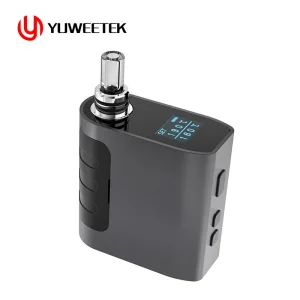
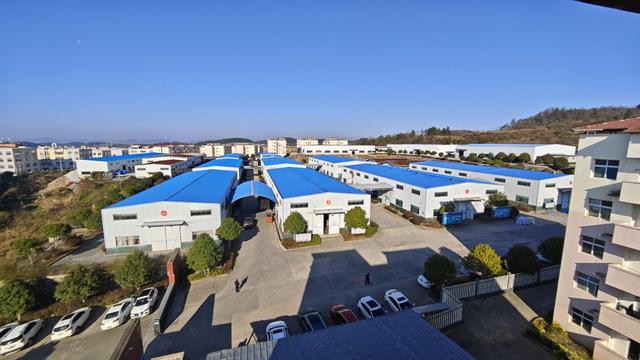
As a leading pioneer in China's advanced vaping hardware manufacturing space, Shenzhen ERA Vape Co., Ltd. stands at the nexus of this revolution. With a focus on the design, development, and production of disposable vape devices, refillable pod systems, and complex mod components, our operations focus on establishing the precise limits of temperature, wattage, and airflow configurations to optimize active compound delivery while ensuring consumer safety.
"Precision engineering dictates that a difference of 0.2 ohms or 1.5 volts can alter the chemical composition of aerosolized compounds, modifying the balance between pure vaporization and thermal degradation."
How China's leading OEM/ODM facilities leverage thermodynamics and chipset firmware to deliver customized vaping experiences.
Optimizing the ratio between voltage ($V$), current ($I$), and resistance ($R$). Our engineering teams construct micro-coils using mesh structures that distribute heat evenly, preventing localized hot spots that can degrade e-liquids and cotton wicking materials.
Utilizing Temperature Coefficient of Resistance (TCR) algorithms. Our proprietary chipsets continuously measure fluctuations in coil resistance to estimate temperature dynamically, adjusting output voltage instantly to maintain the user's selected heat setting.
Engineered air intake systems designed to match specific wattage configurations. By controlling intake velocity, we maintain vacuum pressure within the pod housing, preventing spitback, minimizing leakage, and optimizing coil cooling cycles.
Addressing the complex requirements of B2B procurement, supply chain logistics, and custom hardware engineering.
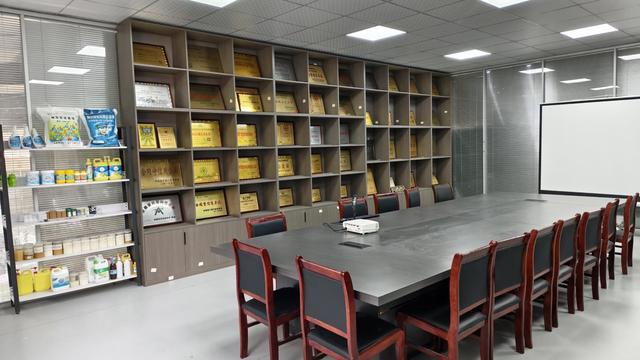
For international buyers, distributors, and brand owners, acquiring hardware is only one step of a complex process. The primary challenge lies in customizing the technical configurations of hardware to match unique product viscosity profiles, nicotine concentrations, and local regulatory requirements. Shenzhen ERA Vape Co., Ltd. addresses these bottlenecks by offering a comprehensive suite of OEM and ODM services that cover every stage of the product lifecycle.
| Vape Hardware Category | Typical Resistance Ranges | Ideal Power Configuration | Optimized E-Liquid Formula | Intended Target Market |
|---|---|---|---|---|
| Disposable Systems | 1.0Ω – 1.4Ω (Mesh Coils) | 9W – 13W (Constant Voltage) | 50/50 VG/PG, Nicotine Salts | Mass Market, High Convenience |
| Refillable Pod Systems | 0.8Ω – 1.2Ω (Dual Stacked) | 11W – 18W (Smart Wattage) | 50/50 to 60/40 VG/PG ratio | Moderate Enthusiast, Daily Use |
| High-Performance Mods | 0.15Ω – 0.6Ω (Multi-core Sub-ohm) | 30W – 80W (Adjustable TCR) | 70/30 VG/PG, Low Nicotine Freebase | Cloud Chasers, Direct-to-Lung (DTL) |
| Alternative Oil Cartridges | 1.2Ω – 1.6Ω (Ceramic Cores) | 3.2V – 4.2V (Preheat Curves) | High Viscosity Distillates / Live Resin | Medicinal / Specialized Wellness |

Navigating the complex global regulatory landscape requires a manufacturing partner with deep compliance expertise. ERA Vape aligns its manufacturing systems with international standards, ensuring that all products comply with regional requirements right off the assembly line:
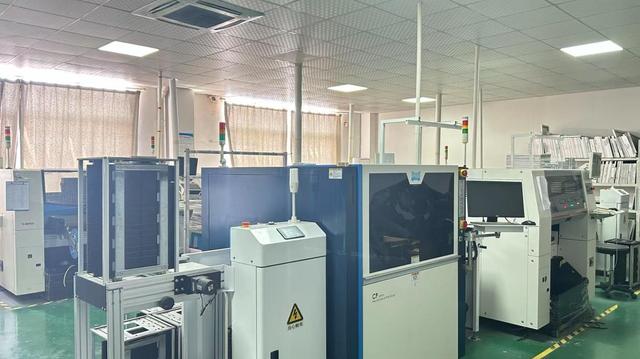
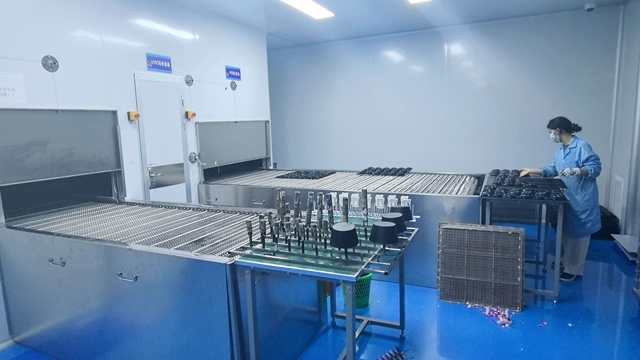
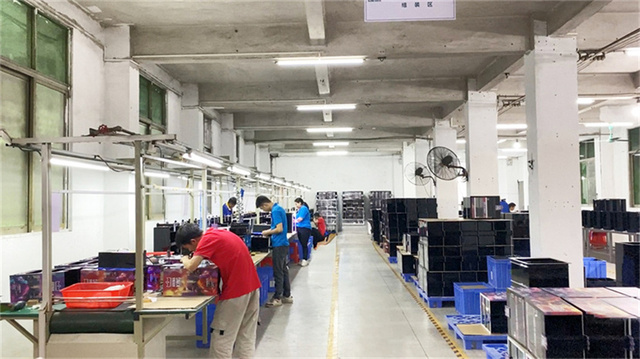
Inside our Shenzhen-based production facilities, where high-speed automation meets rigorous, pharmaceutical-grade quality control.
Shenzhen is the global capital of vape hardware manufacturing, accounting for over 90% of the world's production capacity. As an established player in this industrial hub, Shenzhen ERA Vape Co., Ltd. leverages a highly integrated local supply chain. This physical proximity to component suppliers, raw materials providers, and logistics hubs allows us to manage manufacturing lead times, rapidly iterate designs, and scale production volume dynamically.
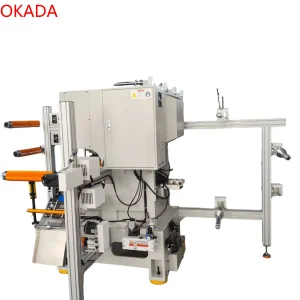
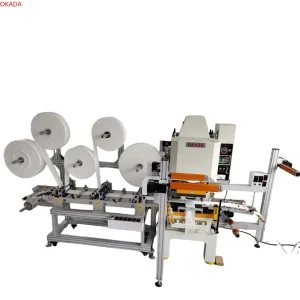
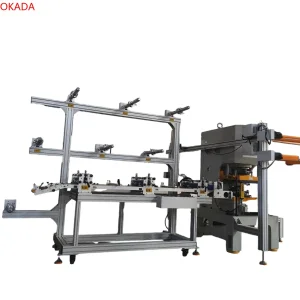
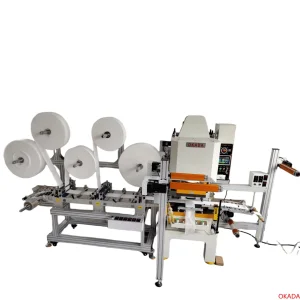
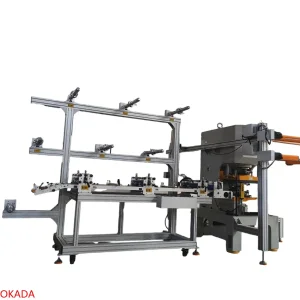
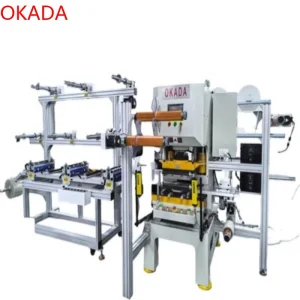
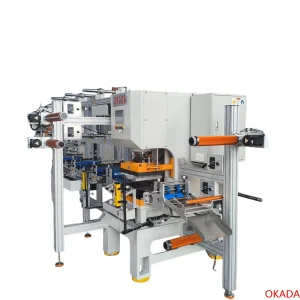
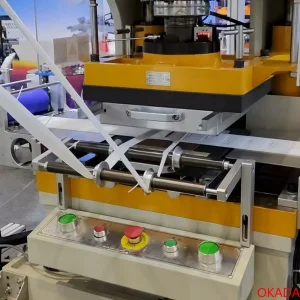
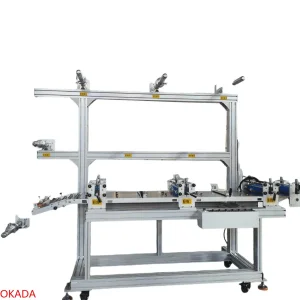
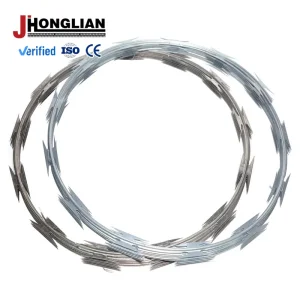
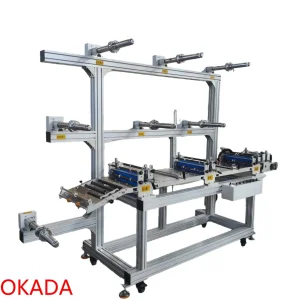
Our commitment to excellence extends to the specialized equipment used in our production and tooling facilities. By integrating high-throughput punch presses, wafer dicing machinery, and precision tooling systems, we ensure the structural integrity of every component. Whether stamping out metal casings or cutting delicate semiconductor substrates for internal control boards, our cleanroom-operated equipment minimizes micro-flaws and ensures tight assembly tolerances across all product lines.
Eliminating human error through robotic placement of wicks, coils, and sensors, resulting in a 99.8% first-pass yield rate.
Our testing labs utilize custom puff-simulators to analyze aerosol particle size and density distribution across different temperature profiles.
Using force-sensing punch cells and quick-change tooling to machine key components with sub-micron tolerances.
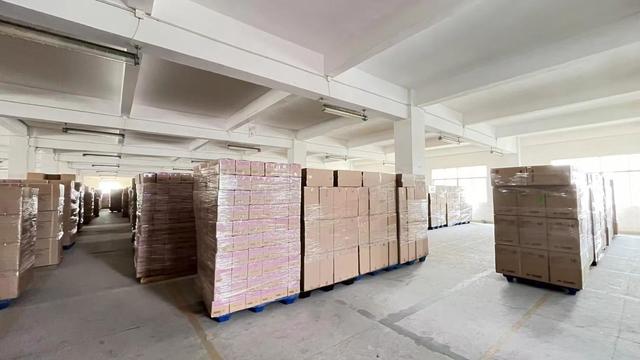
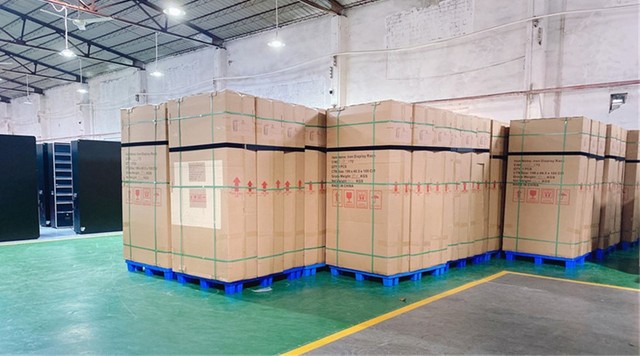
Every batch undergoes simulated negative pressure, extreme heat fluctuations, and mechanical vibration tests to ensure safe transit.
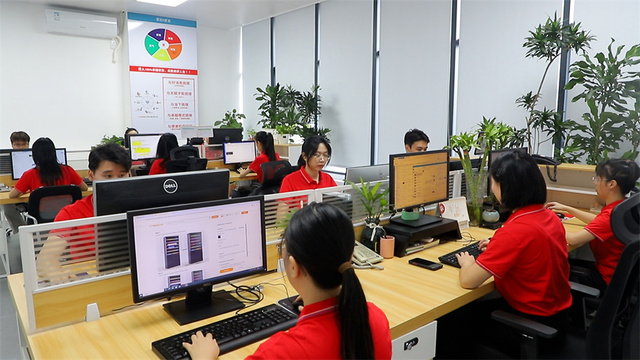
See our factory floor, quality control labs, and state-of-the-art testing machinery.

In-depth insights from our senior R&D team on optimizing vapor dynamics, custom settings guides, and material selection.
Viscosity is largely determined by the vegetable glycerin (VG) to propylene glycol (PG) ratio, along with any added flavoring agents or thickeners. High-viscosity e-liquids (e.g., 70/30 VG/PG or specialized thick oils) require higher wattages or custom heat profiles to vaporize correctly, as thicker liquid wicks slower and requires more energy to reach its boiling point. Conversely, low-viscosity e-liquids (e.g., 50/50 VG/PG or nic salts) wick much faster and require lower power settings to prevent dry hits, spitback, or chemical degradation due to overheating.
High-viscosity distillates are often semi-solid at room temperature, which can restrict flow to the heating coil. A preheating setting applies a low voltage (typically 1.5V to 2.2V) for a short duration (usually 3 to 15 seconds) to warm the oil, lowering its viscosity and allowing it to wick into the porous ceramic element before full vaporization voltage (typically 3.2V to 4.2V) is applied. This prevents dry-burning, which can damage the ceramic core and generate harmful degradation compounds.
TCR mode allows the device's chip to estimate temperature in real-time by tracking changes in coil resistance as it heats up. It is compatible with specific metal alloys like Nickel (Ni200), Titanium (Ti), and Stainless Steel (SS316) that exhibit predictable resistance changes at various temperatures. Because TCR mode dynamically scales back power when the coil reaches a set limit, it protects both the wicking material and the user from dry hits, even if the tank is empty.
We maintain strict quality control through computerized battery testing, automated wicking and coil assembly, and pressure-drop profiling. Every batch of our devices is run through automatic aerosol analysis and negative-pressure chambers to test for leakage at simulated high-altitude conditions, ensuring our hardware delivers consistent vapor performance and remains leak-resistant under real-world conditions.
Explore our industrial punch systems, dicing units, and specialized maintenance accessories for vape platforms.