Explore our leading-edge precision components, surface treatment equipment, perimeter security installations, and dedicated vaping system accessories.

The global vaping market has fundamentally shifted from primitive nicotine delivery setups to highly sophisticated Electronic Nicotine Delivery Systems (ENDS) and advanced aerosolization platforms. Modern hardware engineering is no longer simply about heating an eliquid; it is a meticulous combination of fluid dynamics, materials science, micro-electronics, and pharmaceutical-grade safety compliance.
Transitioning away from silica and standard mesh, medical-grade porous ceramic coils provide micro-groove capillary channels. This prevents dry-burning, maintains stable temperature control, and minimizes harmful byproducts like formaldehyde.
Modern devices integrate multi-layer labyrinth seal structures and condensation recovery channels. Condensate is funneled back to the heating element, reducing waste and maintaining clean operation without messy leakage.
By implementing customized MCU chipsets, devices adjust output curves instantly based on battery voltage and coil resistance, ensuring uniform flavor density from the first drag to the very last puff.
B2B buyers—including multi-state operators, national brands, and regional distributors—face massive operational risks. Sourcing vaping equipment requires partners who can deliver consistency, absolute chemical transparency, and strict adherence to global regulatory frameworks.
In the United States, obtaining a PMTA (Premarket Tobacco Product Application) requires exhaustive chemical testing, aerosol analysis, and material safety data sheets (MSDS). OEMs must provide comprehensive technical files to support these applications.
European compliance (Tobacco Products Directive) demands strict limits of 2ml capacity for tanks, child-resistant refill mechanisms, and nicotine level restrictions. OEM manufacturers must integrate these physical limitations at the design stage.
With increasing scrutiny on disposable batteries, the market is pivoting toward recyclable designs, post-consumer recycled (PCR) plastics, and modular rechargeable battery packs that reduce global e-waste footprint.
Shenzhen ERA Vape Co., Ltd. is a professional manufacturer specializing in vape devices, pod systems, disposable vapes, and related vaping accessories. As an experienced OEM and ODM supplier, the company is dedicated to providing high-quality, innovative, and reliable vaping solutions for global partners in the vaping industry.
ERA Vape focuses on the design, development, and production of a wide range of vape products, including disposable vape devices, refillable pod systems, vape mods, cartridges, coils, and batteries. Each product is engineered with attention to performance, safety, and user experience, ensuring stable output, consistent flavor delivery, and long-lasting usability.
Equipped with advanced production facilities, automated assembly lines, and strict quality control systems, Shenzhen ERA Vape Co., Ltd. maintains high manufacturing standards and efficient production capacity. The company follows international compliance requirements and implements rigorous testing procedures to ensure product consistency and reliability.
In addition to standard product offerings, ERA Vape provides flexible OEM and ODM services, supporting customized branding, packaging, design, and technical specifications to meet diverse market demands. With a commitment to innovation, quality, and customer satisfaction, Shenzhen ERA Vape Co., Ltd. continues to serve as a trusted partner for distributors and brands seeking dependable vaping solutions worldwide.
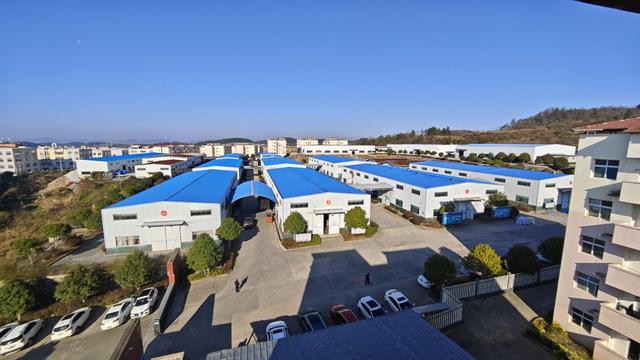
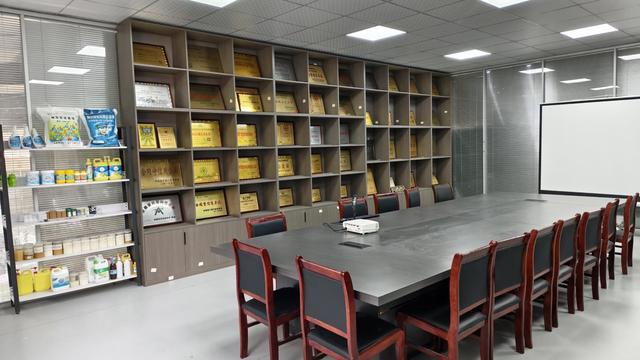
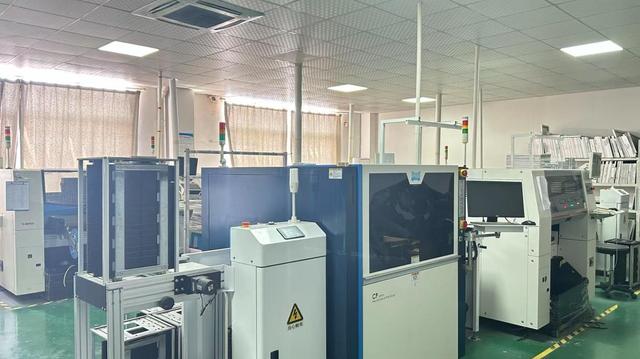

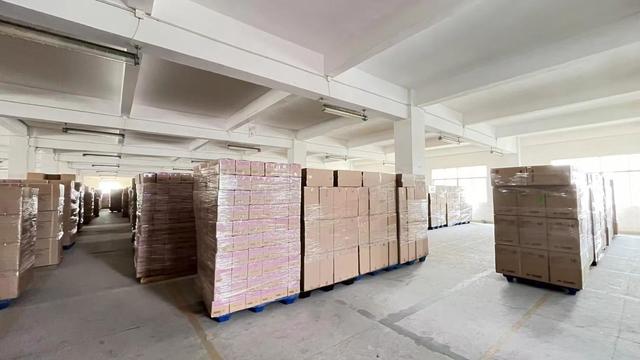

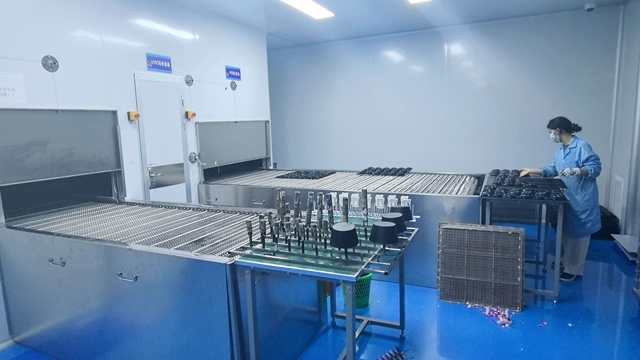
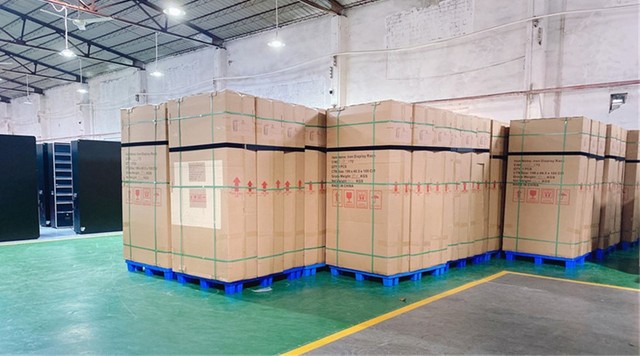

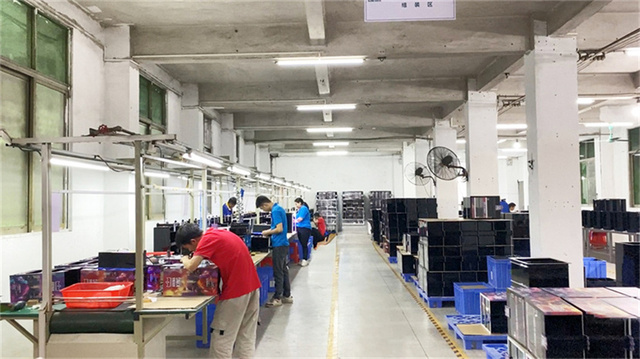
The concentration of vaping hardware manufacturers in Shenzhen represents a major industrial competitive advantage. Shenzhen's vaping technology hub is no longer a collection of manual assembly plants. Today, it has transitioned to Factory 4.0 standards, optimizing supply chains through automated, intelligent networks.
By replacing hand-filling operations with automated vacuum-pressure oil filling arrays, we achieve consistency to within +/- 0.02 grams, drastically lowering the risk of uneven aerosolization and flavor distortion.
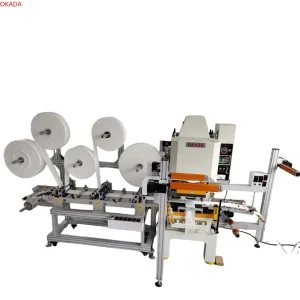
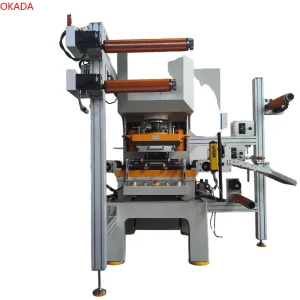
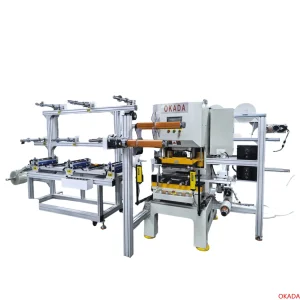
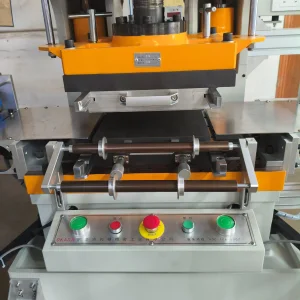
Utilizing high-end force-sensing press systems allows the drilling and pressing of micro-pores in ceramic heating elements without micro-fracturing. This results in stable thermal profiles and long operational lifespans.
With localized sourcing of batteries, premium organic cotton wicks, custom injection-molded plastics, and chip packaging facilities, lead times are reduced by up to 40% compared to non-concentrated regions.
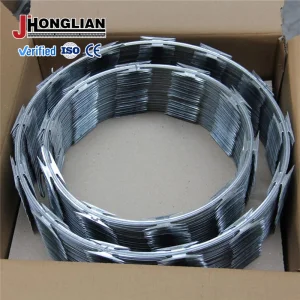
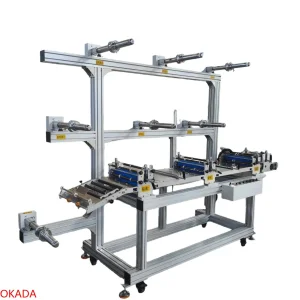
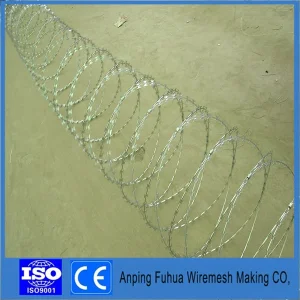
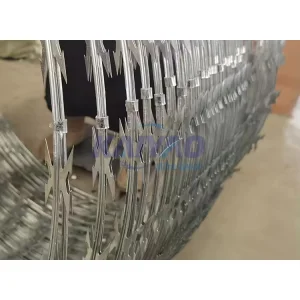
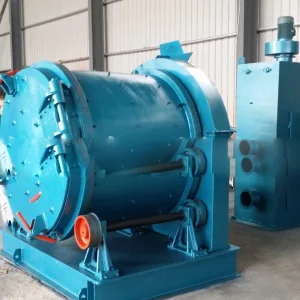
At first glance, a product line featuring Razor Barbed Wire Systems, Steel Plate Shot Blasting Machines, and Vaping Pod Devices might appear disconnected. However, under a unified manufacturing umbrella, they represent a synergistic matrix of industrial engineering capabilities.
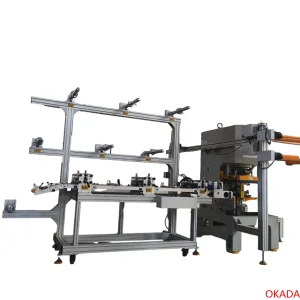
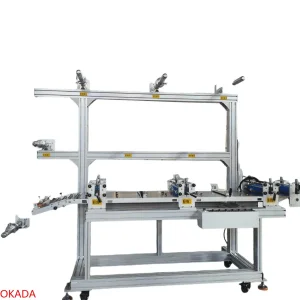
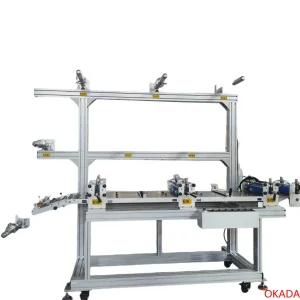
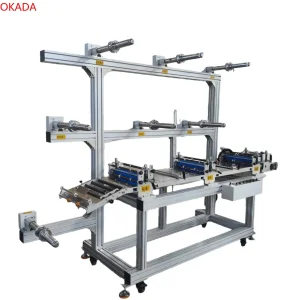
Developing automated punch frames and force-sensing presses for ceramic drilling demands high-precision metal stamping. This capability is refined through the production of reinforced security blade configurations and heavy industrial tool fabrication.
Shot blasting and surface treatment engineering are critical to the longevity of industrial steel. We apply these exact surface prep principles to vape device hardware, creating durable anodized coatings, powder finishes, and smooth tactile shells.
Securing a perimeter requires components with zero mechanical failures. We translate these high-security, high-stress testing standards directly to our vape battery cells, pneumatic pressure switches, and multi-layered leak seals.
Primary Requirement: TPD/MHRA compliance, 2ml max reservoir, child safety locks, visible liquid chambers.
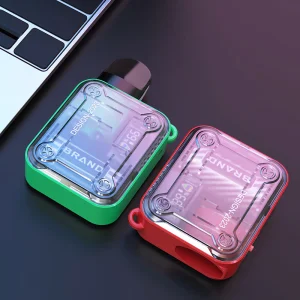
Solution: Rechargeable, modular visual pod systems like the Esmoo C5 allow buyers to comply with regional packaging laws while offering users a highly functional refillable device.
Primary Requirement: High-capacity puff configurations, dynamic screens, sub-ohm vapor density, custom-branding.
Solution: Custom dual-mesh coil disposable architectures featuring output-adjusting firmware and customizable airflow gates designed to appeal to active consumer markets.
Primary Requirement: Handling high-viscosity distillates, preventing oil clogs, minimizing waste during cartridge filling.
Solution: Custom-engineered vape accessory kits, including precision-tip piercing tools and medical-grade wicking cotton, designed to help local labs refine and package extracts without degradation.
Get answers to key technical questions about our manufacturing capabilities, customizable OEM vape hardware, and supply chain logistics.
For custom OEM branding on existing pod architectures (e.g., silk screening, customized color schemes), the MOQ begins at 10,000 units per flavor/color. For full ODM engineering—which involves new casing designs, proprietary PCB boards, and customized structural components—the development cycles typically begin with an MOQ of 50,000 to 100,000 units.
We source raw materials that are fully certified by CE, RoHS, and food-grade standards (such as PCTG polymer tanks). Our manufacturing processes strictly avoid lead-based solders and low-grade nickel alloys. Periodical heavy-metal migration tests and aerosol emissions tests are performed by certified third-party testing laboratories.
Shenzhen ERA Vape Co., Ltd. operates within a diversified industrial group. By leveraging advanced metal stamping, surface treatment (shot blasting), and high-precision force-sensing pressing, we produce highly reliable vape hardware. This diverse engineering capability ensures superior quality control across our entire product line, from industrial equipment to micro-electronic vape devices.
Our pod designs use a 5-layer oil sealing mechanism and a pressure-equalizing silicone plug. During R&D and pilot runs, we conduct vacuum tests (to simulate altitude shifts during air transport) and high-temperature storage tests (up to 55°C) to ensure the physical integrity of the pod seals under real-world shipping conditions.
Standard OEM production runs are completed within 20 to 30 days after design verification and raw material inspection. For first-time ODM orders, custom tool creation and initial testing require 45 to 60 days. Shipping options include express air freight, dedicated battery cargo logistics, and ocean cargo.
Further exploring our industrial machining, specialized tool assemblies, and high-performance casting preparation systems.
 ERA Vape