High-precision manufacturing apparatuses and modular consumables designed for the next-generation micro-atomization ecosystem.

Shenzhen ERA Vape Co., Ltd. is a professional manufacturer specializing in vape devices, pod systems, disposable vapes, and related vaping accessories. As an experienced OEM and ODM supplier, the company is dedicated to providing high-quality, innovative, and reliable vaping solutions for global partners in the vaping industry.
ERA Vape focuses on the design, development, and production of a wide range of vape products, including disposable vape devices, refillable pod systems, vape mods, cartridges, coils, and batteries. Each product is engineered with attention to performance, safety, and user experience, ensuring stable output, consistent flavor delivery, and long-lasting usability.
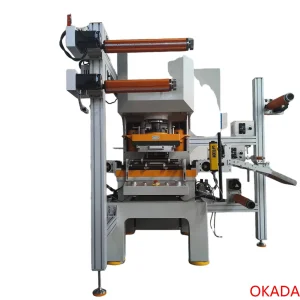
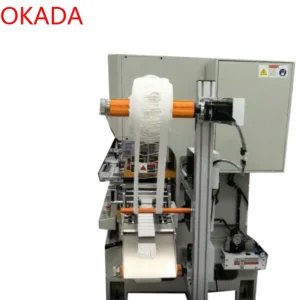
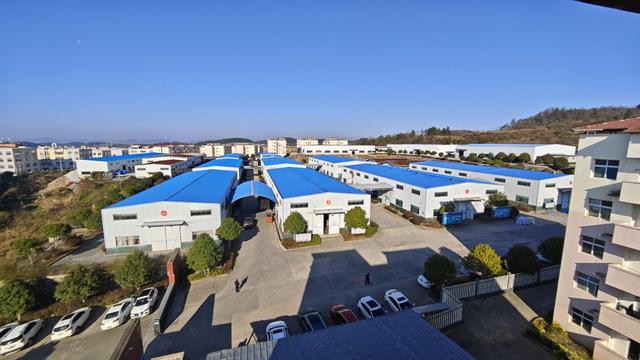
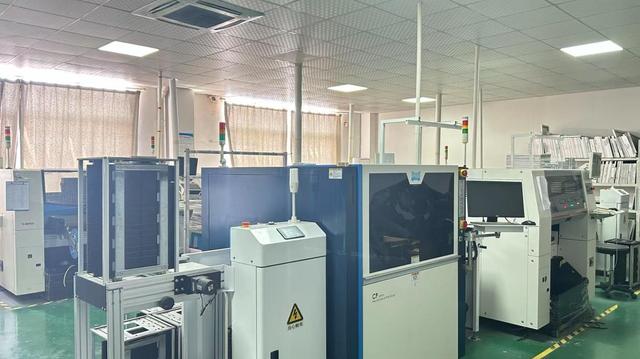
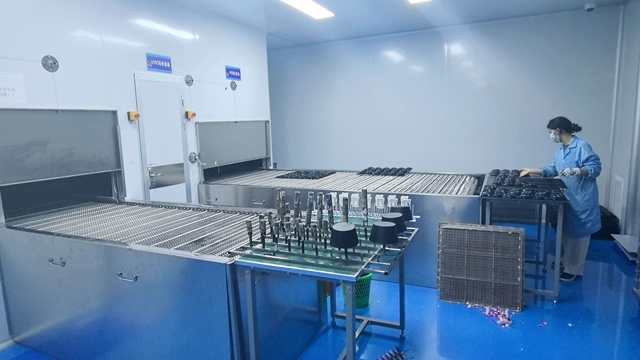
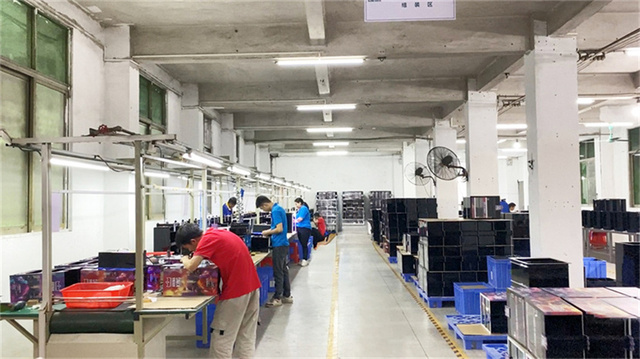
Equipped with advanced production facilities, automated assembly lines, and strict quality control systems, Shenzhen ERA Vape Co., Ltd. maintains high manufacturing standards and efficient production capacity. The company follows international compliance requirements and implements rigorous testing procedures to ensure product consistency and reliability.
In addition to standard product offerings, ERA Vape provides flexible OEM and ODM services, supporting customized branding, packaging, design, and technical specifications to meet diverse market demands. With a commitment to innovation, quality, and customer satisfaction, Shenzhen ERA Vape Co., Ltd. continues to serve as a trusted partner for distributors and brands seeking dependable vaping solutions worldwide.
Mapping the transition from bulky high-wattage hardware to ultra-compact, high-efficiency micro-atomizers.
The global consumer preference has decisively shifted toward lightweight, ergonomic, and stealthy profiles. Industrial production data shows that compact pod systems and miniaturized disposables now command over 70% of the active market share, displacing traditional box mods. Factories in China are engineering hardware that achieves optimal heat dissipation and fluid transport within spaces smaller than 10 cubic centimeters.
Maximizing volumetric energy density is the primary design bottleneck for compact hardware. Factories use custom-shaped lithium polymer batteries paired with miniaturized, high-conductivity ceramic or mesh heating elements. Through advanced mechanical design, components are aligned with sub-millimeter tolerances to ensure maximum airflow path length and e-liquid containment capacity.
To withstand high temperatures in restricted spatial envelopes, engineers employ medical-grade PCTG copolymer for pods, food-grade organic cotton blends, and advanced alloy foils (SUS316L, Kanthal) for mesh grids. These structural materials ensure no thermal degradation occurs, preserving vapor purity while maintaining mechanical resistance to impacts and temperature fluctuations.
The technological trajectory driving next-generation electronic atomization platforms.
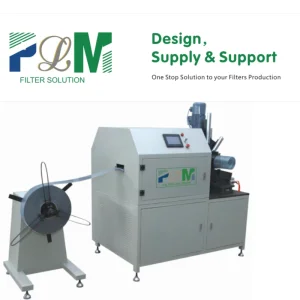
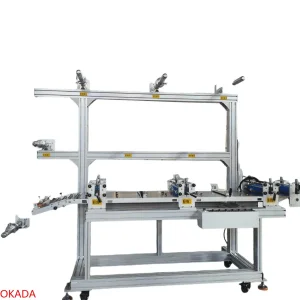
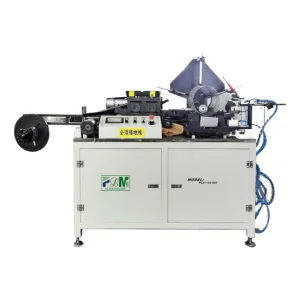
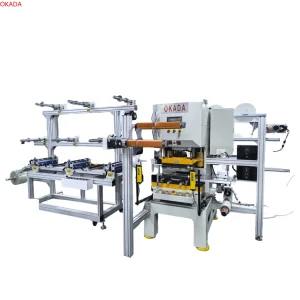
Transition from manual cotton wrapping to high-precision automated mesh coil cutting systems (such as the PLJY109-500 series). This iteration achieved uniform heating surfaces, reducing dry-burn events and scaling up assembly line throughput.
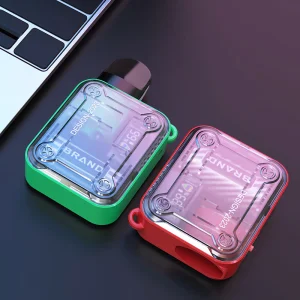
Integration of low-power MCU controllers and micro-sensors that prevent dry hits. Concurrently, environmental regulations have prompted the rise of closed-system refillable configurations, such as the visual-pod rechargeable architectures.
Developing fully recyclable atomization cartridges using eco-friendly cotton compounds and compostable plastics. Evolution toward localized micro-dose administration for wellness and pharmaceutical applications.
Advanced security, material sorting, and precision control systems supporting global manufacturing facilities.
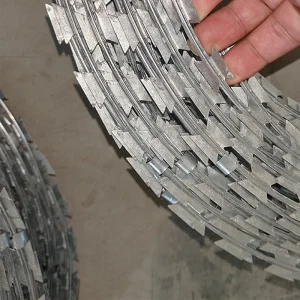
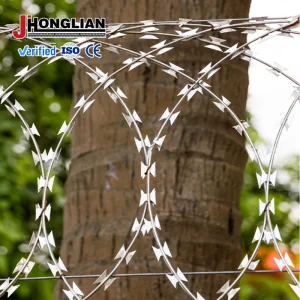
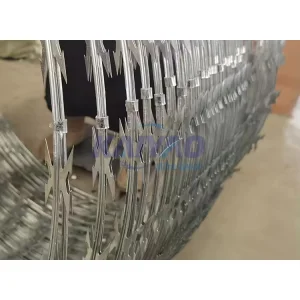
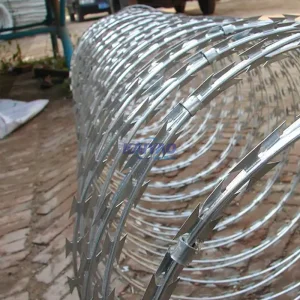
Modern atomization production bases require high-level perimeter security systems to protect proprietary R&D designs. Deploying stainless helical barriers, razor barbed tape systems, and floodlight-integrated anti-climb fencing prevents unauthorized access to critical manufacturing zones.
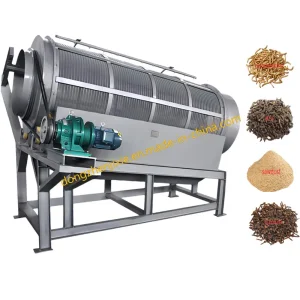
Using electric trommel and rotary drum screen systems, factories classify raw powder ingredients for ceramic coil bases. High-precision sorting ensures that particulate sizes remain consistent, which is crucial for achieving uniform capillary action in ceramic blocks.
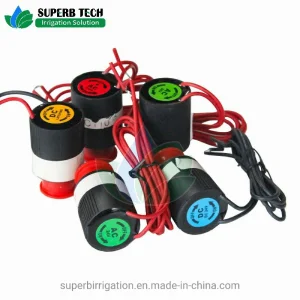
Solenoid controllers and automated valve systems monitor water and air cooling setups on the factory floor. Proper thermal control prevents overheating during continuous plastic injection molding and high-speed coil winding cycles.
How factories configure vape hardware to align with different regional and national regulatory structures.
For European markets, designs are optimized to strictly adhere to the Tobacco Products Directive (TPD). This restricts e-liquid reservoir capacities to a maximum of 2.0ml and imposes strict child-resistant locking features. Leakage protection is managed through multi-layer absorbent cotton punches that capture condensation inside the air paths.
Entering the North American market requires compliance with the FDA's Premarket Tobacco Product Application (PMTA) protocol. Factories focus on structural consistency, providing trace audits for materials, heavy metal tests, and aerosol testing data. Standardized components must undergo thousands of test cycles to prove chemical and mechanical safety under different use profiles.
Expert technical insights regarding compact design manufacturing, material selection, and process automation.
Additional infrastructure, process modification kits, and localized security systems for modern industrial operations.
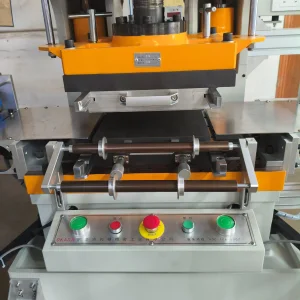
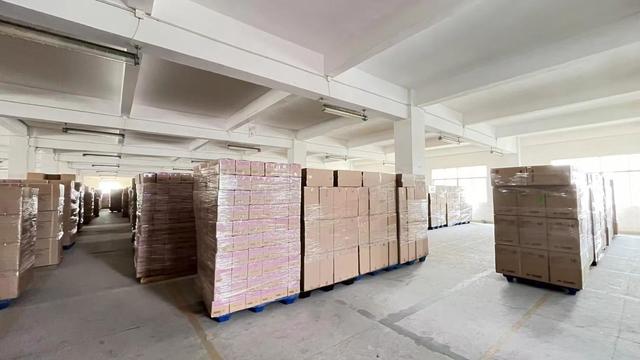
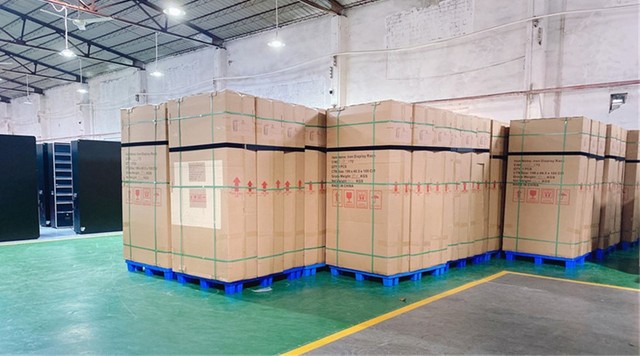
Take an inside look at the production line assembly, packaging systems, and quality control departments.




 ERA Vape