Explore high-precision custom production systems, oil management tools, and specialized component materials.
How regulatory compliance, safety engineering, and rechargeable technologies are shaping the future of global B2B procurement.
The global electronic vaporization device market is undergoing a rapid architectural transition. Where single-use, non-rechargeable devices once dominated, market pressures, eco-consciousness, and economic realities have forced a structural shift toward rechargeable vape pens and pod systems. Modern distributors no longer ask for cheap disposables; instead, they seek long-lasting hardware platforms built on advanced heating matrices, robust lithium-ion battery management systems, and refillable or modular cartridge structures.
In this high-stakes ecosystem, selecting the right Chinese vape pen manufacturer is the single most critical decision for global brands. With over 90% of the world's vaping hardware originating in the Pearl River Delta, understanding the engineering capability, compliance framework, and raw material supply chain of potential factory partners is key to avoiding costly product recalls, import seizures, and reputational damage.
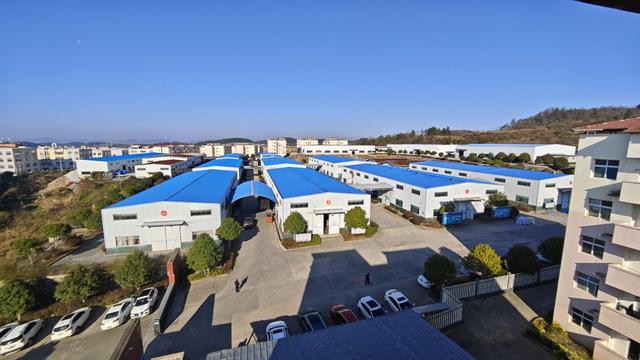
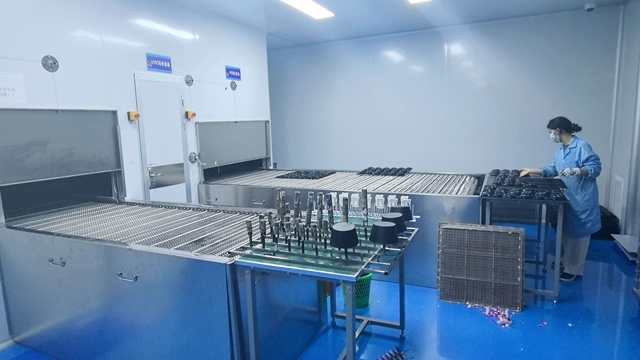
Verified manufacturer profile, cleanroom facilities, and core engineering capacities.
Shenzhen ERA Vape Co., Ltd. is a professional manufacturer specializing in vape devices, pod systems, disposable vapes, and related vaping accessories. As an experienced OEM and ODM supplier, the company is dedicated to providing high-quality, innovative, and reliable vaping solutions for global partners in the vaping industry.
ERA Vape focuses on the design, development, and production of a wide range of vape products, including disposable vape devices, refillable pod systems, vape mods, cartridges, coils, and batteries. Each product is engineered with attention to performance, safety, and user experience, ensuring stable voltage output, consistent flavor delivery, and long-lasting usability.
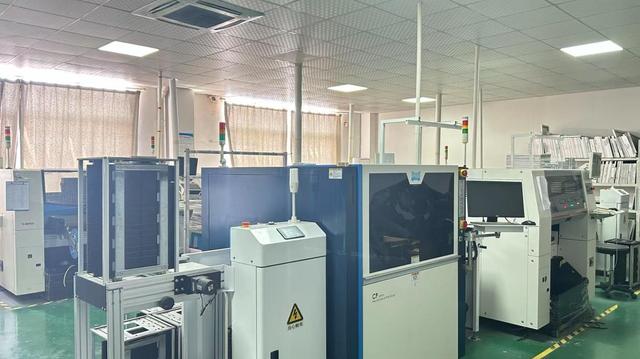
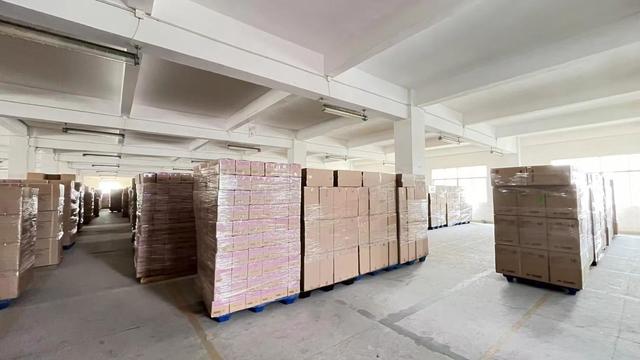
Equipped with advanced production facilities, automated assembly lines, and strict quality control systems, Shenzhen ERA Vape Co., Ltd. maintains high manufacturing standards and efficient production capacity. The company follows international compliance requirements and implements rigorous testing procedures to ensure product consistency and reliability.
In addition to standard product offerings, ERA Vape provides flexible OEM and ODM services, supporting customized branding, packaging, design, and technical specifications to meet diverse market demands. With a commitment to innovation, quality, and customer satisfaction, Shenzhen ERA Vape Co., Ltd. continues to serve as a trusted partner for distributors and brands seeking dependable vaping solutions worldwide.



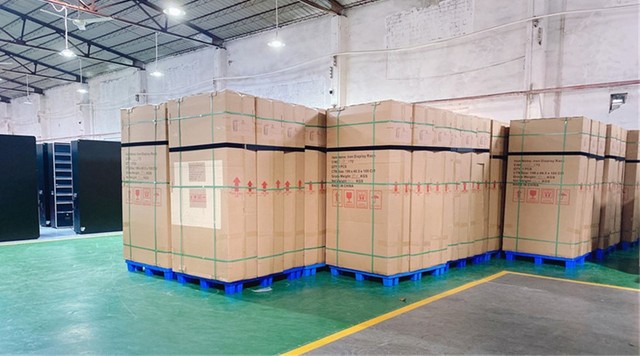

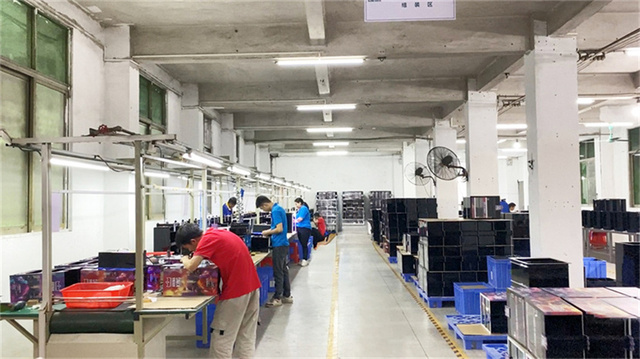
Why leading global vape brands consolidate their manufacturing footprints in mainland China.
Within the industrial clusters of Shenzhen and Dongguan, all primary raw materials—including food-grade PCTG polymers, high-rate cobalt-acid lithium batteries, custom-designed PCBA chips, and high-purity medical alloy heating wires—are sourced within a 30-mile radius. This geographical proximity reduces logistics timelines, accelerates rapid prototyping, and stabilizes manufacturing overhead.
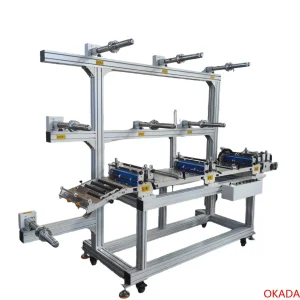
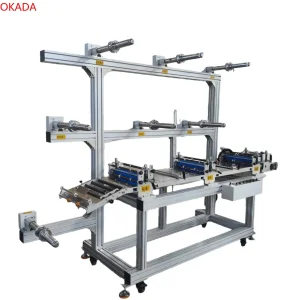
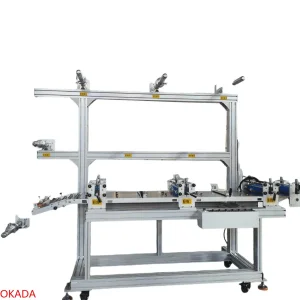
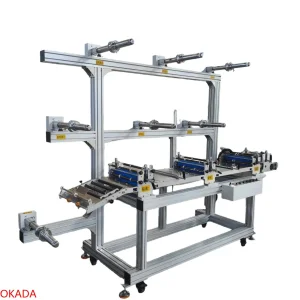
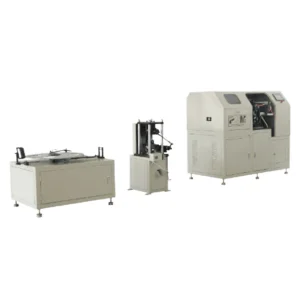
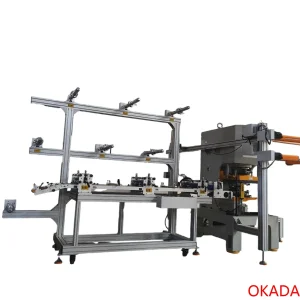
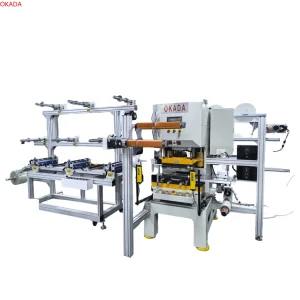
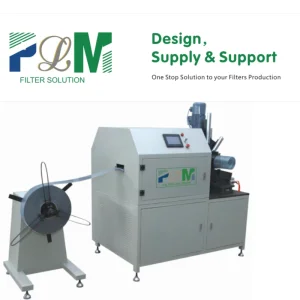
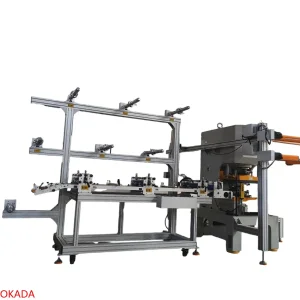
Leading factories operate highly automated micro-welding, automated silicon sealing, and high-speed CNC metal machining centers. Utilizing automated systems like the PLJY series mesh coil manufacturing machines guarantees uniform resistance tolerances, reducing defect rates (dPM) below critical thresholds (under 0.05% across production runs).
Exporting to highly regulated consumer markets demands a strong commitment to compliance. Certified Chinese vape manufacturers maintain class-100,000 ISO cleanrooms and in-house laboratory assets, including gas chromatography-mass spectrometry (GC-MS), heavy metal extraction testing, and aerosol emission analyzers to meet PMTA and TPD standards.
A rechargeable vape pen is a complex balance of fluid dynamics, material science, and battery safety. To design hardware that stands out, understanding the components that determine overall vapor quality, flavor fidelity, and battery longevity is essential.
Rechargeable systems utilize lithium-cobalt oxide (LiCoO2) battery cells, valued for their stable discharge curves and high energy density. However, because these devices are kept in pockets and handbags, safety is paramount. High-tier suppliers integrate a dedicated battery management system (BMS) directly into the PCBA circuit board to protect against:
The heating core determines flavor profiles and vapor output. The industry is currently divided between two major heating core technologies:
Airflow dictates both flavor concentration and draws pressure. Modern vape hardware incorporates complex labyrinth airflow structures. Condensation collection chambers capture vapor runoff before it exits the air inlet, keeping the airflow channel dry. In addition, multi-layer silicone gaskets isolate the liquid reservoir from the battery compartment, protecting vital electronics from moisture.
For B2B buyers, distributors, and brands, procuring from a factory involves managing regulatory, financial, and logistical risks. Below is an action plan for structuring your manufacturing partnerships.
Before confirming an order, require your manufacturer to provide updated test reports and certifications. In highly regulated regions, importing uncertified hardware can lead to border customs confiscations and severe legal liability.
A reliable supplier must offer deep OEM/ODM customization capabilities, allowing brands to stand out in a crowded market. Look for manufacturers that provide:
Vape hardware requirements vary by region based on consumer habits, climate conditions, and local laws. Manufacturers must adapt device configurations to meet these distinct needs.
The North American market has strong demand for high-viscosity cannabis distillates, live resins, and CBD oils. Traditional cotton-wick vape pens burn when paired with thick oils. Therefore, local brands require specialized, high-capacity ceramic cores with larger intake holes (1.5mm up to 2.0mm) and postless (central post-free) designs. This configuration prevents heavy metal leaching and ensures smooth, consistent vaporization.
With strict TPD regulations limiting e-liquid capacity to 2ml, the European market favors compact, closed-pod systems and sleek rechargeable pens. These devices prioritize leak-free designs, premium materials, and responsive auto-draw sensors, delivering a satisfying mouth-to-lung (MTL) draw that mimics traditional smoking.
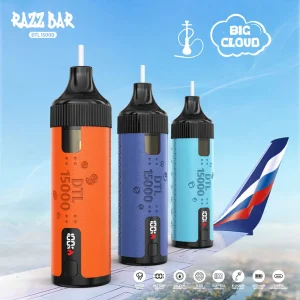
Consumers in the Middle East and parts of Southeast Asia prefer large vapor clouds, rich flavors, and high puff counts. This requires high-capacity rechargeable devices featuring sub-ohm mesh coils (0.6Ω or lower), large-capacity oil reservoirs (up to 15ml-20ml), and adjustable airflow ports to support direct-lung (DL) inhalation.
Expert technical answers addressing common questions from B2B sourcing professionals.
For standard OEM projects with logo printing and custom packaging, the typical MOQ is 5,000 units per color or design flavor. For complex ODM hardware customization (e.g., creating a new body mold or custom PCB features), the MOQ generally rises to 20,000–50,000 units to cover tooling and engineering development costs.
Air transport exposes devices to pressure changes that can cause e-liquid leakage. Top manufacturers solve this by utilizing dual-airflow isolation channels, food-grade silicone seals, and vacuum testing devices to simulate altitude pressure drops before shipping, ensuring the hardware remains sealed during transit.
Battery safety is vital. Verified suppliers run incoming battery cells through strict testing, including aging trials, multi-channel cycle testing, drop tests, and thermal exposure. This process filters out unstable cells and ensures that only matched cells enter the production lines.
First-time OEM orders typically take 25 to 35 days, which includes creating packaging mockups, calibrating branding details, and performing QA checks. Repeat orders benefit from pre-staged component inventory, reducing the production cycle to 15 to 20 days.
Mesh coils use a perforated metal sheet instead of a wrapped wire. This design increases the surface contact area with the e-liquid, vaporizing liquid more efficiently to deliver cleaner flavor, larger vapor clouds, and a longer coil lifespan.
To verify legitimacy, check for a valid Tobacco Monopoly Production License issued by the Chinese government, verify ISO 9001 and ISO 14001 registrations, request third-party audit reports (such as SGS or TÜV Rheinland), and perform a video inspection of their cleanrooms.
Refined industrial machinery, high-durability security boundaries, and specialized vape manufacturing components.
 ERA Vape